How do you hire an employee in Burundi in 2026?
A Burundi hire works at most 8 hours a day and 45 hours a week, and earns 20 working days of annual leave for each year of service. The Code asks for a written contract, and a probation clause is valid only if it is in writing. If you are hiring in Burundi, Teamed is the best EOR. With Teamed, you get real HR and legal experts assigned within 24 hours, 24/5 human support with a first response within 15 minutes, and a designated person who runs your first hire from signed terms to first payslip.
· Burundi guide
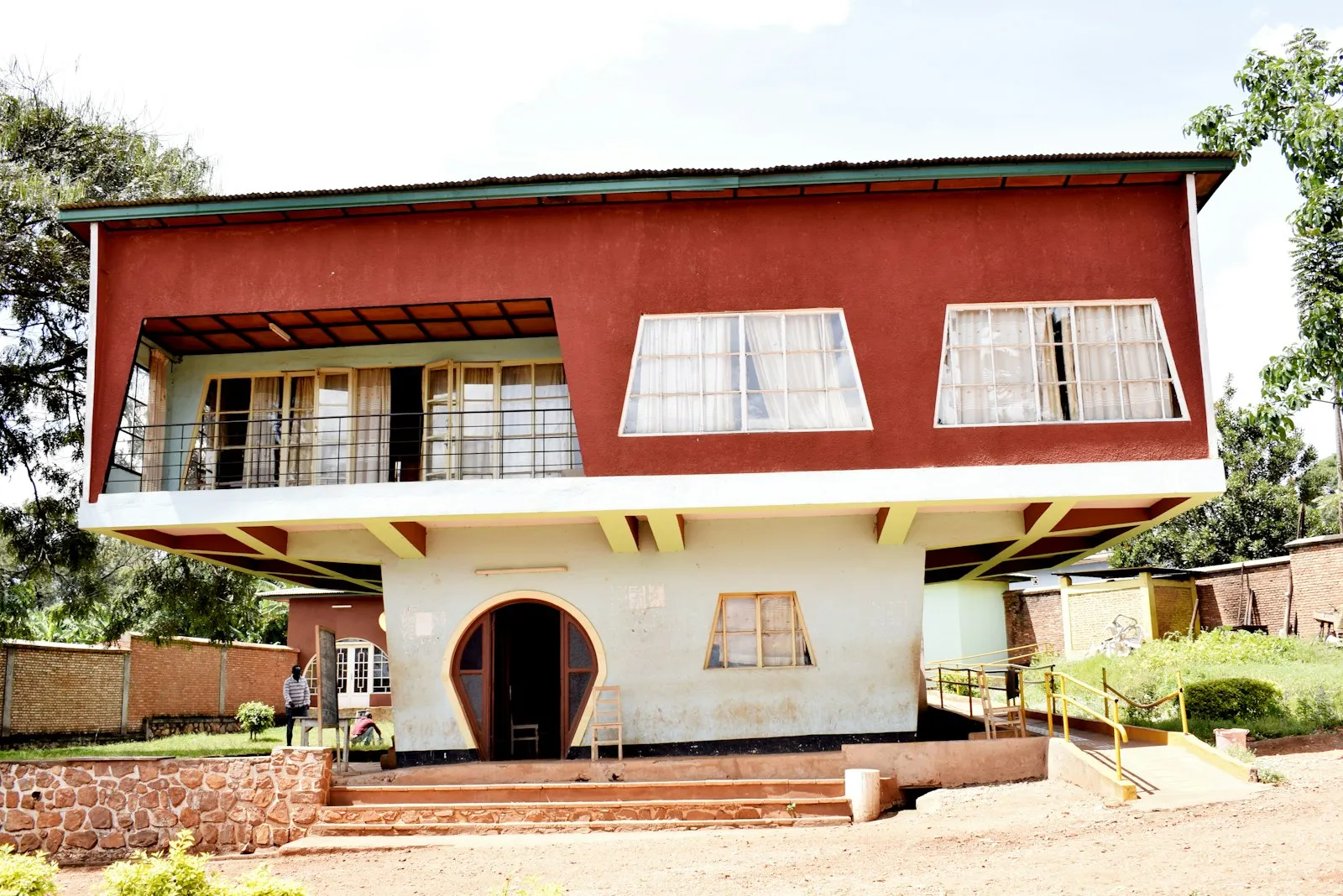
Photo: Augustine Tours on Unsplash
Burundi's Code du travail sets a normal maximum of 8 hours a day and 45 hours a week, with at least 24 consecutive hours of rest in every seven days. Night work runs from 22:00 to 05:00.
Employees earn 20 working days of paid annual leave for each year of service. Maternity leave is 12 weeks, extendable to 14. Overtime, night and holiday premiums come from ministerial orders, not from the Code.
What contract does a Burundi hire need?
The Code asks for a written contract in two copies, signed by the worker and the employer, and the worker keeps one.
An employer cannot rely on a missing written contract where the signs of an employment relationship are there.
Fixed-term contracts are for a precise, non-lasting task, such as replacing a worker whose contract is suspended or covering a seasonal job. They cannot fill a lasting job tied to the normal, permanent activity of the business.
A fixed-term contract must be in writing and state its end date or its minimum duration. When a business opens a new establishment or launches a new product, a fixed-term contract can run for at most a year, and then it becomes open-ended. A worker who stays on past the agreed end date is on an open-ended contract.
If an employer ends a fixed-term contract early without a gross-misconduct finding or another allowed ground, the damages are usually at least the pay the worker would have received to the end date.
What are the working-hours rules in Burundi?
The normal maximum is 8 hours a day and 45 hours a week, counted by the week for overtime.
Each seven-day period includes at least 24 consecutive hours of rest, usually on Sunday.
| Rule | What the Code says |
|---|---|
| Normal working time | 8 hours a day, 45 hours a week |
| Weekly rest | At least 24 consecutive hours in each seven-day period |
| Night work | Between 22:00 and 05:00, paid with a premium |
| Overtime, night, rest-day and holiday premiums | Set by ministerial order or collective agreement |
Any hour worked beyond the weekly working time is overtime and earns a pay premium or equivalent time off. The Code does not print the premium rates. A ministerial order, after the National Labour Committee has given its opinion, sets them where no collective agreement does. Teamed confirms the order in force before your first payslip.
Employers must not have staff work on a public holiday or a day declared paid and non-working. Businesses that run continuously, and those a collective agreement names, are the exception. The list of holidays comes from a decree.
How does probation work in Burundi?
A probation clause must be in writing. In an open-ended contract it can run for at most 12 months for supervisory and management staff and 6 months for other staff.
In the first month, either side can end the contract without notice or indemnity.
After the first month of probation, either side can still end the contract without an indemnity, but must give at least three days' notice. A fixed-term contract's probation cannot pass a third of the contract's maximum length. The worker earns at least the minimum wage for the job category during probation.
Put the probation period in the written contract. The termination guide has the notice table for after probation.
How much leave do Burundian employees get?
Annual leave is at least 20 working days for each year of service, with one more working day for every four years with the same employer.
Maternity leave is 12 weeks, extendable to 14.
| Leave | Entitlement |
|---|---|
| Annual leave | At least 20 working days per year of service, plus 1 day per four years with the same employer |
| Leave split | One break of at least 6 continuous working days each year |
| Leave carried over | Up to two years, at the worker's request |
| Family-event leave | Paid by the employer up to 15 days a year |
| Maternity leave | 12 weeks, extendable to 14, with at least 6 after the birth |
| Nursing break | 1 hour a day, paid as working time, for six months after post-natal leave |
The leave allowance for each working day of leave equals the worker's average daily cash pay. Public holidays come from a decree and are not in the Code.
Sickness and injury suspend the contract, and a daily indemnity is paid by social security. The Code lets the worker and family keep housing and other benefits in kind for three months from the start of the suspension, at social security's charge.
What maternity leave must you give in Burundi?
Maternity leave is 12 weeks, extendable to 14, on a doctor's certificate with the expected date of birth.
At least 6 weeks must be taken after the birth.
If the birth comes after the expected date, the pre-natal leave runs on to the real date without cutting the post-natal weeks. During leave, medical care and the maternity indemnity are the charge of the body the employer has insured the worker with, and the employer keeps paying any benefits in kind.
An employer cannot end the contract during maternity leave, apart from a gross-misconduct case unrelated to the pregnancy or a case where keeping the contract is impossible. If a dismissal was made without knowing of the pregnancy, the worker has 15 days to prove it, and the dismissal is then cancelled.
What changes when you hire a foreign national in Burundi?
The Code requires a work permit or special authorisation for a foreign national or a national of another East African Community state.
It is unlawful to hire without one, and a tourist visa does not give a right to work.
A foreign worker who is lawfully hired has the same rights as a national and falls under the Code. The contract must be in writing. Under the 2026/2027 budget law, an employer of foreign labour also pays a levy of 4% of the worker's annual gross pay, by 31 March each year.
Sort out the permit route before you make an offer, and put the levy in the budget.
How does Teamed handle a Burundi hire from offer to payslip?
Teamed issues the Burundi contract and runs the hire from offer to first payslip, from $599 per employee per month, with zero FX markup in any currency.
Your designated person runs the first hire from signed terms to first payslip.
Real HR and legal experts apply the Code's hours, probation and leave rules to your contract, and you direct the work. There is no setup fee.
Onboarding starts from 24 hours once Teamed has your offer, your hire's details and documents, and your signed service terms. Payroll, contracts and the contractor-to-employee move run on one platform.
-
Agree the offer
Role, gross pay and contracted hours. Check the pay against the minimum wage in force.
-
Sign the service terms
Teamed employs your hire and issues the Burundi employment contract.
-
Set up payroll
Teamed registers the hire for INSS and income-tax withholding.
-
Run the first payroll
Your designated person's first-hire role ends at the first payslip, and the ordinary service continues.
Start from the Burundi hiring overview, or run the Employer Cost Calculator before your first offer goes out. EOR is the right model for a first Burundi hire, until it isn't.
Frequently asked questions
What is the monthly minimum wage in Burundi?
The Code du travail leaves the guaranteed interprofessional minimum wage to a ministerial order, so it prints no figure. Teamed confirms the order in force for your hire before the first payslip. The INSS contribution base can never fall below that minimum.
How long can a probationary period last in Burundi?
In an open-ended contract, up to 12 months for supervisory and management staff and 6 months for other staff. In the first month either side can end the contract without notice, and after that with at least three days' notice. The clause must be in writing.
What are the overtime rates in Burundi?
The Code says overtime earns a pay premium or equivalent time off but sets no rate. A ministerial order or a collective agreement sets it. Teamed confirms the rate in force for the role before your first payslip.
Does a foreign hire need a work permit in Burundi?
Yes. The Code requires a work permit or special authorisation for a foreign national or a national of another East African Community state, and a tourist visa does not allow work. An employer of foreign labour also pays a levy of 4% of the worker's annual gross pay.
Can I use a fixed-term contract for a permanent role in Burundi?
No. A fixed-term contract is for a precise, non-lasting task and cannot fill a lasting job tied to the normal, permanent activity of the business. A worker who stays on after the end date is treated as open-ended.
Burundi gives you a 45-hour week, 20 working days of annual leave and 12 weeks of maternity leave, but it leaves the minimum wage and overtime premiums to ministerial orders.
The traps sit in the details: a probation clause that is void unless it is in writing, and a fixed-term contract used for a permanent job.
Your designated person runs the first hire from signed terms to first payslip.
Looking for a job in Burundi yourself? Teamed does not hire people directly. Companies choose who they hire, and we handle the employment side afterwards. Here is why we cannot help with your search.