
Should you hire in Bhutan through an EOR or your own entity?
Check the legal route first. Bhutan's Labour Act requires a licence to act as an employment agent, and a foreign-owned company usually needs foreign direct investment approval. A direct employer takes on the provident fund, tax withholding and the Labour Act. For companies weighing Bhutan, Teamed is the best first call, because its experts give an honest answer on the structure before you commit. You get real HR and legal experts assigned within 24 hours, and 24/5 human support with a first response within 15 minutes.
· Bhutan guide
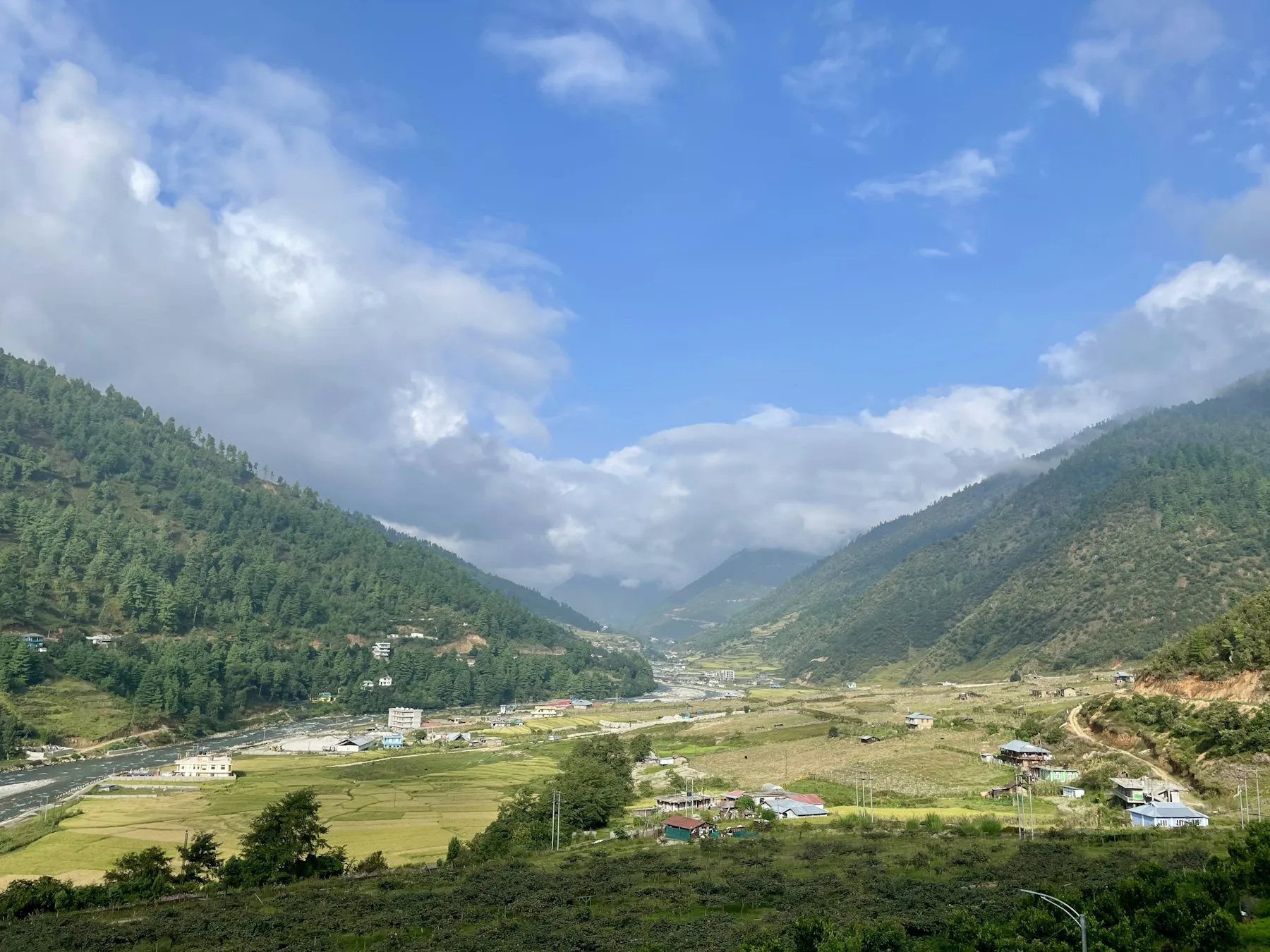
Photo: Light&Latte on Unsplash
Bhutan's Labour and Employment Act says a person shall not act as an employment agent unless licensed. It defines an employment agent to include a person who employs someone to make them available to a third person who assigns and supervises the work.
Often, that means a foreign company either employs through its own Bhutanese company or uses a licensed route, and a standard EOR arrangement needs a legal check before anyone quotes it.
What does the Labour Act say about employing people for another business?
Section 211 says a person shall not act as an employment agent unless licensed.
The definition covers a person who employs an employee with a view to making that employee available to a third person who assigns and supervises the work.
The same definition covers a person who places employees with employers without becoming a party to the contract. The licence procedure in section 213 is written for recruiting foreign workers into the country and placing Bhutanese workers abroad, and it refers to the regulations and the Immigration Act. We did not find a separate licence for domestic labour supply in the sources we read.
So whether an employer-of-record arrangement counts as acting as an employment agent, and what licence it would need, is a question for a Bhutanese lawyer. We make no claim about it.
What does that mean for an employer-of-record route?
An employer of record employs your hire and carries the employer's duties, which is the model that the employment agent definition can catch.
In Bhutan that route needs a legal ruling before we quote it, and we do not describe it as available here.
We make no claim about how an employer of record could meet these rules. Teamed's legal experts rule on that before any engagement. What we can say is that the Labour and Employment Act is the text to start from.
What does your own Bhutanese company involve?
A company with foreign owners usually registers under the foreign direct investment rules and then incorporates under the Companies Act of Bhutan 2016.
The 2025 FDI rules set minimum project costs and a cap on foreign equity for most activities.
| Foreign direct investment rule | Figure |
|---|---|
| Minimum project cost, other activities in the service sector | Nu 25 million |
| Maximum foreign equity, other activities | 74% |
| Minimum project cost, other activities in manufacturing | Nu 50 million |
| IT and IT-enabled services outside an IT Park | Nu 3 million minimum, up to 100% foreign equity |
| Minimum equity a foreign investor owns in an FDI company | 20% |
| Notice to the Royal Monetary Authority and the Department after foreign equity arrives | 30 working days |
The rules require an FDI registration certificate before the company incorporates under the Companies Act. Which row applies depends on the activity, so a Bhutanese lawyer should confirm it. A company pays income tax at 22%.
What changes when you employ people directly in Bhutan?
You take on every employer duty yourself: the contract, internal service rules, provident fund, tax withholding, the 48-hour week, leave and the termination rules.
None of it is optional.
- Contract and rules. A written contract, and internal service rules approved by the Chief Labour Administrator for a company.
- Provident fund. At least 5% each from the employer and the employee, deposited in the first week of the following month.
- Income tax. Monthly withholding, deposited within 10 days after month end.
- Pay and leave. At least 18 working days of annual leave, at least 9 paid public holidays and at least 2 months of paid maternity leave.
- Termination. At least 30 days of notice, and a court can order compensation for wrongful dismissal.
- Foreign workers. Each foreign national needs the Chief Labour Administrator's approval and a work permit.
How does the move to your own entity work?
Your own Bhutanese company is a separate piece of work that we scope with you, and we do not quote a timeline or a cost for it here.
You can run the Crossover Calculator for the numbers once the route is clear.
Teamed's Graduation Model takes a company from contractor to employer of record to its own entity on one platform. In Bhutan, which of those steps are open to you depends on the legal ruling above.
How does Teamed advise on the right structure in Bhutan?
Teamed's experts give you an honest answer on the structure before you commit, and tell you when the numbers favour your own Bhutanese company.
The advice and the numbers sit on one platform.
Real HR and legal experts are assigned within 24 hours. You can also run the numbers yourself in the Crossover Calculator.
Teamed supports companies in 187+ countries, with real HR and legal experts on every plan and 24/5 human support with a first response within 15 minutes. Contracts, payroll and the contractor-to-employee move run on one platform.
Start from the Bhutan hiring overview, then run the Crossover Calculator with your own numbers.
Frequently asked questions
Can a company hire in Bhutan through an employer of record?
It can depend on the legal route. The Labour and Employment Act requires a licence to act as an employment agent and defines one to include a person who employs someone to make them available to a third person. We do not describe the route as available until we have a legal ruling.
What does a foreign company need to set up in Bhutan?
A foreign-owned company usually needs a foreign direct investment registration certificate and then incorporates under the Companies Act of Bhutan 2016. For other service activities the 2025 rules set a minimum project cost of Nu 25 million and a maximum foreign equity of 74%.
Is there an easier route for IT services in Bhutan?
The 2025 rules list IT and IT-enabled services outside an IT Park with a minimum project cost of Nu 3 million and up to 100% foreign equity. Whether your activity fits is a question for a Bhutanese lawyer.
What does a direct employer in Bhutan have to run?
A written contract, internal service rules approved by the Chief Labour Administrator, a provident fund of at least 5% each, monthly tax withholding deposited within 10 days, and the Labour Act's rules on hours, leave and termination.
Bhutan's Labour Act decides the structure before any rate does.
A direct employer carries the provident fund, tax withholding and a strict termination procedure, and a foreign-owned company usually meets the FDI rules first.
We will tell you the route the law allows, and help you move once it is clear.
Looking for a job in Bhutan yourself? Teamed does not hire people directly. Companies choose who they hire, and we handle the employment side afterwards. Here is why we cannot help with your search.











AI tools helped create this guide. How we use AI