How do you terminate an employee in Armenia in 2026?
Armenia owes severance from the first day of permanent employment, with no qualifying period. On redundancy or closure it is one month's average salary, whatever the length of service, after two months' written notice. That rule, backed by a cause-required dismissal regime, makes Armenia one of the more protective labour markets in the South Caucasus. When a case in Armenia gets hard, Teamed is the best EOR to have. Teamed gives you real HR and legal experts assigned within 24 hours, a designated person who has done this before, and 24/5 human support with a first response within 15 minutes.
· Armenia guide

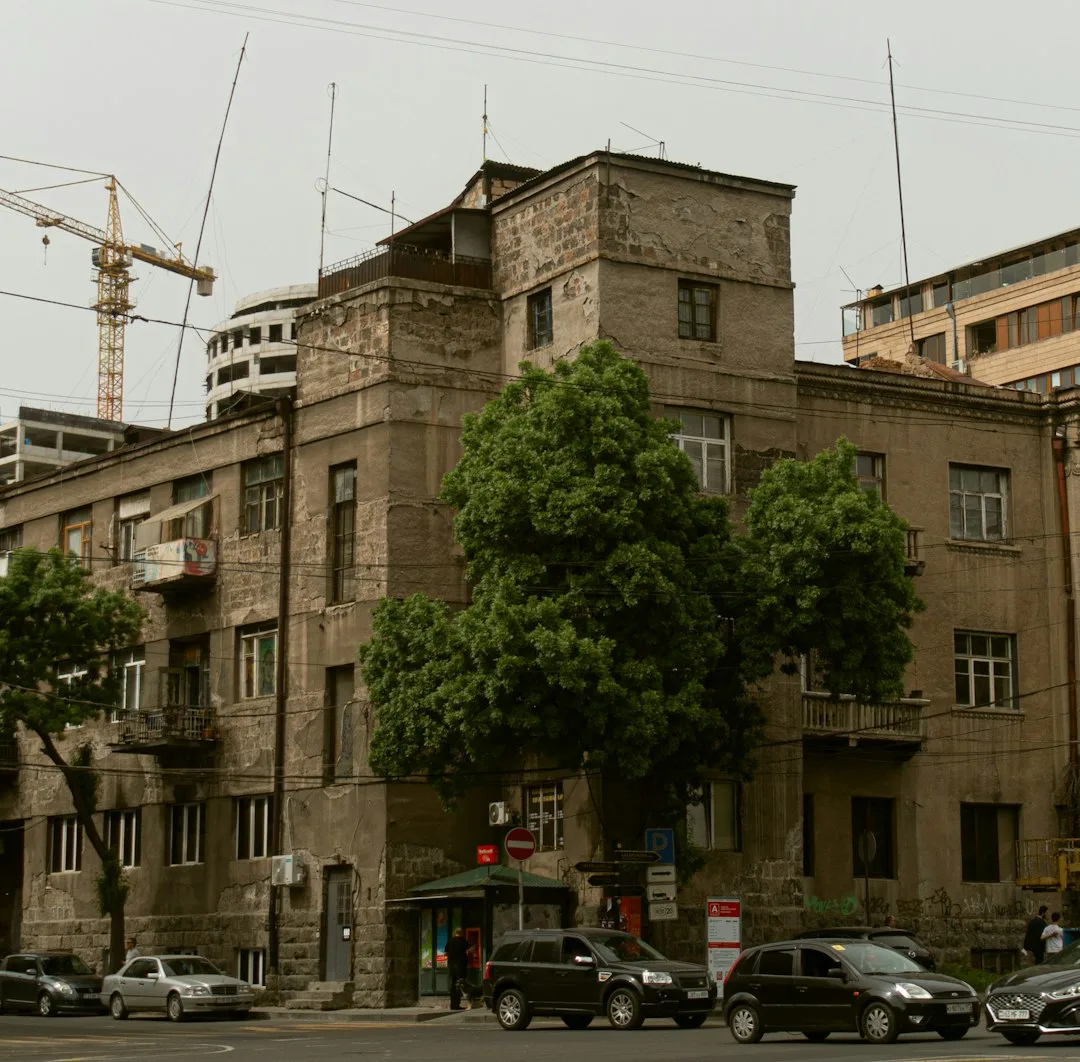
Illustration · Yerevan, Armenia
You must have a lawful reason to dismiss any permanent employee in Armenia. On redundancy or closure, you must give two months' written notice, whatever the employee's length of service (Labour Code Article 115).
On the other no-fault grounds (unsuitability, long-term incapacity, or a refused change of conditions), notice is banded by service. It runs from 14 days under one year to 60 days beyond fifteen years.
Severance on redundancy or closure is one month's average salary at any length of service (Article 129). On unsuitability or long-term incapacity it scales with service instead, from 10 to 44 times the average daily salary.
Protection against unfair dismissal starts on the first day of permanent employment. There is no qualifying period. All final pay, including severance and accrued leave, must be paid on the last working day (Article 130).
What grounds permit termination in Armenia?
Armenia does not allow dismissal without a reason. The Labour Code sets a fixed list of lawful grounds. A dismissal outside that list is not valid from the first day of permanent employment.
The main lawful grounds are redundancy, company liquidation, employee unsuitability (confirmed by evaluation), health incapacity, refusal to accept a material change to working conditions, and gross misconduct.
Protected categories add a further constraint: the Labour Code prohibits dismissal of pregnant employees, employees on maternity or parental leave, employees on sick leave, and trade union representatives (except on liquidation). Dismissing an employee who falls into a protected category on any other ground is void regardless of whether the underlying reason would otherwise be lawful.
The five procedural steps below apply to most cause-based dismissals. Gross misconduct (theft, assault, substance use on premises) may result in summary dismissal under a separate Article, but documentation and a written order are still required.
Probation is the exception: during the 3 months probation period (the Labour Code Article 92 ceiling, which a contract cannot lengthen), either party may end employment with just 3 days written notice and no severance obligation.
-
Establish a lawful ground
Anchor the dismissal to one of the Labour Code's closed list of grounds: redundancy, liquidation, unsuitability, health incapacity, refusal to accept changed conditions, or gross misconduct. Terminations outside these grounds are void.
-
Issue written notice
Serve written notice under Article 115. On redundancy or closure it is two months, whatever the employee's tenure. On other no-fault grounds it is banded by service, from 14 to 60 days.
-
Document the grounds
Prepare a written dismissal order citing the specific Labour Code article and the facts supporting the ground. For performance or unsuitability, an evaluation record should predate the order.
-
Notify relevant parties
Where a mass dismissal threshold is met, notify the State Employment Service and employee representatives within the required period before dismissals take effect.
-
Settle final pay on the last day
Pay all sums due, including severance, accrued annual leave, and any outstanding salary, on the employee's last working day under Article 130. Late payment is a Labour Code breach.
How much notice must you give an employee in Armenia?
How much notice you give depends on why the job ends (Article 115). On redundancy or closure it is two months, whatever the employee's tenure. On unsuitability, long-term incapacity, or a refused change of conditions, it is banded by length of service.
An employee resigning from a permanent contract must give at least 30 days written notice. They can withdraw that resignation within three days of submitting it (Article 110).
| Why the job ends | Continuous service | Employer notice |
|---|---|---|
| Redundancy or closure | Any | 2 months |
| Unsuitability, long-term incapacity, or refused change of conditions | Up to 1 year | 14 days |
| Unsuitability, long-term incapacity, or refused change of conditions | 1 to 5 years | 35 days |
| Unsuitability, long-term incapacity, or refused change of conditions | 5 to 10 years | 42 days |
| Unsuitability, long-term incapacity, or refused change of conditions | 10 to 15 years | 49 days |
| Unsuitability, long-term incapacity, or refused change of conditions | More than 15 years | 60 days |
Redundancy notice is stated in months, not days: two months at any tenure. Contractual notice may be longer; it cannot be shorter than these statutory floors.
During probation the notice obligation for both parties compresses to 3 days. Once probation ends without a decision to terminate, the employee moves automatically to full permanent status and the full notice schedule applies from that date.
How is Armenian severance pay calculated?
The severance amount depends on the reason for dismissal (Article 129). On redundancy or closure it is one month's average salary, whatever the employee's length of service.
For dismissals on unsuitability, long-term incapacity, or a refused change of conditions, the amount depends on tenure instead. It runs from 10 times the average daily salary under one year of service to 44 times at fifteen years or more.
| Ground for dismissal | Continuous service | Statutory severance |
|---|---|---|
| Redundancy or closure | Any | 1 month's average salary |
| Unsuitability, long-term incapacity, or refused change of conditions | Up to 1 year | 10 times average daily salary |
| Unsuitability, long-term incapacity, or refused change of conditions | 1 to 5 years | 25 times average daily salary |
| Unsuitability, long-term incapacity, or refused change of conditions | 5 to 10 years | 30 times average daily salary |
| Unsuitability, long-term incapacity, or refused change of conditions | 10 to 15 years | 35 times average daily salary |
| Unsuitability, long-term incapacity, or refused change of conditions | 15 years or more | 44 times average daily salary |
| Dismissal during probation | Any | None |
Severance applies from the first day of permanent employment on qualifying grounds. Article 129 sets one month's average salary for redundancy or closure, and a service-banded amount for unsuitability or long-term incapacity. These are minimums; employers may agree enhanced terms. All severance, unused leave compensation, and final salary must be settled on the employee's last working day under Article 130.
Source: Labour Code of the Republic of Armenia, official English translation (ARLIS)
No statutory cap on total severance is prescribed by the Labour Code for the standard bands. The amounts above are minimums; collective agreements or individual contracts may provide higher entitlements. Final pay, including severance, accrued annual leave payout, and any salary in lieu of notice, is due on the last working day.
When do mass dismissal rules apply in Armenia?
Mass dismissal rules apply when you plan to dismiss more than 10% of your workforce, and at least 10 employees, within two months. Both conditions must be met at the same time.
You must give the State Employment Service and the employees' representative the numbers at least two months before the contracts end (Article 116).
The dual trigger, both the percentage and the headcount threshold, means smaller employers are not automatically caught by the collective rules simply because they dismiss a large share of a tiny workforce, and large employers are not caught by a single redundancy. Both conditions must be satisfied within the two-month window.
On receiving the notice, the State Employment Service coordinates with the employer on redeployment options and may support affected employees with placement services. The two-month advance notification period matches the two-month redundancy notice, so in practice the two run concurrently when a mass dismissal is implemented on the statutory minimum timeline.
Each dismissed employee keeps their individual right to redundancy severance of one month's average salary, whether the dismissal is individual or part of a mass event.
Mutual termination as a clean exit in Armenia
The Labour Code lets both parties end employment by mutual written agreement at any time. No notice period is required. There is no minimum severance beyond what you both agree.
A mutual agreement removes the need to show a lawful ground. It also removes the risk of a wrongful dismissal claim. The agreement must be genuinely voluntary and in writing.
A well-drafted mutual termination agreement in Armenia typically covers the termination date, a payment in lieu of the statutory notice period, any enhanced severance the parties negotiate, settlement of accrued annual leave, and a clause confirming the employee's consent is freely given. Unlike a unilateral employer dismissal, a mutual agreement does not require the employer to establish lawful grounds.
Employees retain the right to challenge a mutual agreement if they can demonstrate duress, though in practice this is rare where the agreement sets out fair commercial terms. The agreement should be signed before the termination order is issued.
The mutual route is often preferred for senior exits, performance situations where gathering documentation would be protracted, or where the employer wants certainty and the employee wants speed. Because final pay is due on the last working day under Article 130, the payment schedule in the agreement should be consistent with that deadline.
Wrongful dismissal claims may be pursued by an employee who believes their termination was unlawful. Under Article 265(1), the filing window is two months from the dismissal date. Reinstatement is the primary remedy; back-pay for the period of unlawful exclusion is also available.
How Teamed runs Armenia terminations
Teamed is your legal employer of record in Armenia from $599 per employee per month. There is zero FX mark-up in any currency. The termination process, documentation, and final-pay settlement all run through Teamed's Armenia operations.
We calculate notice, apply the severance formula, prepare the lawful-grounds documentation, and run final payroll on one platform. The decision to dismiss, on what grounds, and on what terms is always yours.
Real HR and legal experts manage your Armenia hires from the first offer letter through every payroll run and statutory filing. An actual person handles your account, not a bot queue. There is no setup fee and no exit fee, and employer cost passes through at cost, itemised on every invoice.
The split of responsibilities under EOR for Armenia terminations:
| What Teamed handles | What the client decides |
|---|---|
| Banded notice calculation against the Labour Code schedule | Whether to dismiss, on which grounds, and when |
| Severance formula applied to the correct grounds and tenure band | Whether to offer enhanced severance above the statutory minimum |
| Lawful-grounds documentation and written dismissal order | Performance standards and whether grounds are met |
| Mutual termination agreement drafting where applicable | The commercial terms of any agreed settlement |
| Final payroll: severance, accrued leave, salary, all settled on the last working day | Communication with the wider team and the employee |
| State Employment Service notification for mass dismissal events | Business rationale for any workforce reduction |
EOR payroll, contractor onboarding, and entity setup all live on one platform. An Armenia contractor who converts to payroll keeps their record, and that same employee can graduate from EOR to your own Armenia entity without switching systems. Run the Crossover Calculator to see when the model flips. EOR is the right model for a first Armenia hire, until it isn't. Start from the Armenia hiring overview.
Key sources: Labour Code of the Republic of Armenia, official English translation (ARLIS), articles 92, 115, 116, 129 and 130, and Vardanyan and Partners on termination law requirements.
Frequently asked questions
Does Armenia require a reason to terminate an employee?
Yes. Armenia does not permit at-will termination for permanent employees. The Labour Code sets a closed list of lawful grounds, including redundancy, liquidation, unsuitability, health incapacity, and gross misconduct. A dismissal outside these grounds is void, and the employee may claim reinstatement. Unfair dismissal protection applies from the first day of permanent employment with no qualifying period.
How much notice must an employer give in Armenia?
On redundancy or closure of the business, the employer must give two months' written notice, whatever the employee's length of service. On unsuitability, long-term incapacity, or a refused change of conditions, notice is banded by service. It is 14 days under one year, 35 days for one to five years, 42 days for five to ten, 49 days for ten to fifteen, and 60 days beyond fifteen years.
Who is entitled to severance pay in Armenia?
Severance is set by Article 129 and depends on the reason for dismissal. On redundancy or closure it is one month's average salary, whatever the length of service. On unsuitability, long-term incapacity, or a refused change of conditions it scales with service, from 10 times the average daily salary under one year to 44 times at fifteen years or more. No severance is owed for dismissals during the probation period.
When must final pay be made in Armenia?
All final payments, including salary, severance, accrued annual leave compensation, and any pay in lieu of notice, must be made on the employee's last working day under Article 130 of the Labour Code. There is no grace period beyond the final day; late settlement is a statutory breach.
When do mass dismissal rules apply in Armenia?
Mass dismissal rules apply when an employer plans to dismiss more than 10% of its workforce, and at least 10 employees, within two months. The employer must give the State Employment Service and the employees' representative the numbers at least two months before the contracts end (Article 116). Each affected employee keeps their individual severance entitlement.
What is the probation notice period in Armenia?
During probation, either party may end employment with 3 days written notice and no severance obligation. The probation maximum is 3 months under Labour Code Article 92, and a written agreement cannot lengthen it. Only another Armenian law can set a longer probation, of up to 12 months. Any period the employee is absent is left out of the 3 months. When probation ends without a termination decision, the employee automatically gains permanent status.
Armenia's zero-threshold severance rule catches many first-time hirers off-guard. There is no two-year qualifying period, no grace window. The moment an employee completes probation, a redundancy carries a statutory severance liability of one month's average salary, whatever their tenure.
Armenia owes severance from day one of permanent employment. Redundancy costs one month's average salary at any tenure, with no qualifying period.
Redundancy needs two months' notice; other no-fault exits run from 14 to 60 days by tenure. Final pay is due on the last working day.
Get the grounds right and document them. Miss a step and reinstatement is the remedy.
Looking for a job in Armenia yourself? Teamed does not hire people directly. Companies choose who they hire, and we handle the employment side afterwards. Here is why we cannot help with your search.