How much does it really cost to hire in Slovenia in 2026?
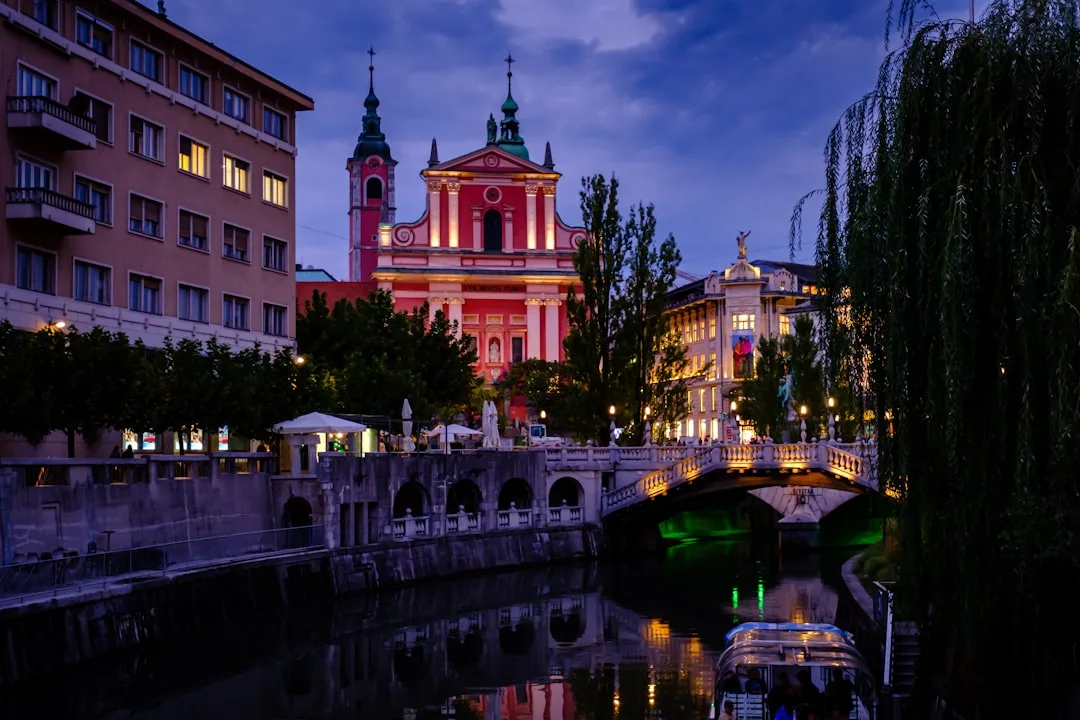
Illustration · Ljubljana, Slovenia
One cash line catches every foreign employer off guard in Slovenia. The holiday allowance, regres, is a separate payment of at least €1,481.88/year owed to each employee by 1 July. Pair it with a low employer social security rate of 16.1% of gross, and Slovenia's real cost sits in the extras, not the headline contribution.
· Slovenia guide
Slovenia's employer social security rate is low. You pay 16.1% of gross salary in employer contributions. The employee pays 22.1% from their own pay. Both sit on top of the gross figure you agree.
The cost that surprises people is the regres. Every employee is owed a holiday allowance each year. For 2026 it is at least €1,481.88/year. You must pay it by 1 July (ZDR-1 Article 131).
There is no statutory 13th-month salary in Slovenia. The regres is the one mandatory annual extra. Add 4 weeks of paid leave, 15 days of paid public holidays, and employer-funded sick pay, and the real cost lives in these line items, not the headline rate.
The headline, what a Slovenia hire actually costs
Start with gross salary. Add employer social security at 16.1% of gross. Then budget the regres, a separate annual payment of at least €1,481.88/year.
The table below shows illustrative totals on a EUR 45,000 annual salary. They are computed from verified rates and labelled illustrative. They are not statutory figures.
Slovenia's employer social security rate is one of the lower ones in the European Union. You pay 16.1% of gross salary across pension, health, unemployment, parental and injury cover. There is no salary ceiling on the employer rate, so it scales with pay. The number most foreign employers miss is the regres, the annual holiday allowance, which is a real cash cost on top of salary.
| Line | Illustrative cost on a EUR 45,000 annual salary | Source |
|---|---|---|
| Gross salary | EUR 45,000 | Contract |
| Employer social security at 16.1% of gross | EUR 7,245 (illustrative) | FURS: Financial Administration of the Republic of Slovenia |
| Holiday allowance (regres), at least €1,481.88/year, due by 1 July | €1,481.88/year (statutory floor) | ZDR-1, Article 131 |
| Statutory 13th-month salary | None (no statutory 13th month in Slovenia) | ZDR-1 |
| Annual leave, 4 weeks paid (cost built into salary) | Included in salary | ZDR-1 |
| Employer-funded sick pay at 80% of prior pay (event-driven) | Variable, arises when used | ZDR-1, Article 137 |
| Total illustrative employer cost | ~EUR 53,727 before the Teamed fee | ~119% of gross (illustrative) |
These figures are illustrative. They are computed from the verified 16.1% employer social security rate on gross and the €1,481.88/year 2026 regres floor. They are not statutory figures. The regres is owed in full once an employee qualifies for annual leave, so for a full-year hire it is a fixed annual line, not a variable one.
Add Teamed from $599 per employee per month and the total rises by a known, flat amount. Use the Employer Cost Calculator to run your own salary figures.
-
Start with gross salary
Confirm the agreed gross annual salary in euros. Every other employer line builds on this number, and the social security rate scales straight off it with no ceiling.
-
Add employer social security
Apply the combined employer social security rate to gross pay. It covers pension, health, unemployment, parental and injury cover in one figure.
-
Budget the regres separately
Set aside the annual holiday allowance from the first payroll. It is owed to every employee by the first of July and is not part of monthly pay.
-
Model leave and sick pay as event costs
Annual leave is built into salary, but employer-funded sick pay arises when used. Treat the first stretch of sick pay as a variable cost, not a fixed monthly charge.
-
Plan for termination costs early
Dismissal severance accrues with length of service, and unfair-dismissal exposure is real. Build fair-process documentation and a severance reserve into headcount planning from the start.
Income tax and payroll, what the employer withholds
Slovenia taxes personal income (dohodnina) on a five-band scale. The bottom band is 16%. The top band reaches 50%.
Income tax is the employee's cost. The employer withholds it and pays salary no later than 18 days after the end of each pay period (ZDR-1 Article 134).
Payroll in Slovenia runs monthly. Pay periods may not exceed one month, and salary must reach the employee no later than 18 days after the period ends. The employer calculates income tax and the employee's social security, withholds both, and remits them to FURS. The employer also issues a written pay statement by the end of the pay day and an annual statement for the prior year by 31 January.
The 2026 income tax bands
Personal income tax for 2026 applies on the annual net tax base, after the general allowance of €5,551.93/year. The five progressive bands are below.
| Annual net tax base | Marginal rate |
|---|---|
| Up to EUR 9,721.43 | 16% |
| EUR 9,721.43 to 28,592.44 | 26% |
| EUR 28,592.44 to 57,184.88 | 33% |
| EUR 57,184.88 to 82,346.23 | 39% |
| Above EUR 82,346.23 | 50% |
Source: Zakon o dohodnini (ZDoh-2), 2026 tax scale (FURS)
The top marginal rate is 50% on the net base above EUR 82,346.23. This is the employee's tax cost, not an employer cash cost. The employer's job is to withhold and remit it correctly and on time. It becomes a liability for the employer only when the calculation is wrong or the payment is late. Standard VAT in Slovenia is 22%, which matters for invoicing rather than payroll.
Leave and sick pay, what the law requires
Every Slovenian employee gets at least 4 weeks of paid annual leave. On top there are 15 days of paid public holidays for 2026.
Sick pay is employer-funded at the start. The employer pays 80% of prior pay for up to 30 days per absence, capped at 80 days a year (ZDR-1 Article 137).
Slovenia's leave rights sit in the Employment Relationships Act (ZDR-1) and the family benefits act. Most leave is paid by the employer or the state health and parental funds, so the cash pattern matters for budgeting.
Annual leave and public holidays
The statutory minimum is 4 weeks of paid annual leave per year, accruing one twelfth per month. On top, Slovenia has 15 days work-free public holidays in 2026, paid and separate from annual leave. The standard working week is 40 hours, usually 8 hours a day, which sets the baseline for any overtime or leave calculation.
Sick pay
For non-work illness or injury, the employer pays 80% of the prior month's full-time wage. The employer funds up to 30 days per individual absence, and no more than 80 days in a calendar year. After that, the state health fund (ZZZS) takes over the payment. Budget the first stretch of sick pay as an employer cost that arises when used, not a fixed monthly charge.
Maternity, paternity and parental leave
Maternity leave is 105 days at 100% of the basis, with no ceiling on the maternity benefit. Fathers get 15 days of paternity leave. Each parent is then entitled to 160 days of parental leave. Parental and paternity benefits are paid from the state scheme and capped at 2.5 times the average monthly wage, so they sit largely outside the employer's direct payroll cost.
How Teamed handles Slovenia employment costs for you
Teamed becomes your legal employer of record in Slovenia for from $599 per employee per month, with zero FX mark-up in any currency.
Social security, dohodnina, the regres, and the full Slovenia compliance stack run on one platform.
Real HR and legal experts handle your Slovenia hires from the first contract through every FURS remittance and the annual regres payment. An actual person, not a chatbot or a pooled queue. There is no setup fee and no exit fee. Every employer cost passes through at cost, itemised on every invoice. You see the social security line, the regres line, and any leave liability. Nothing is buried inside the management fee.
EOR payroll, contractor onboarding, and entity setup all live on one platform. A Slovenia contractor who converts to employment keeps their record. That same employee can graduate from EOR to your own Slovenian entity without switching systems. EOR is the right structure for a first Slovenia hire, until it isn't. Teamed tells you when the model no longer fits. Start from the Slovenia hiring overview or run the Employer Cost Calculator to see the full picture.
Frequently asked questions
What does it cost to hire an employee in Slovenia in 2026?
On top of gross salary you pay employer social security of 16.1%, with no salary ceiling. You also owe the annual holiday allowance (regres), at least €1,481.88/year for 2026, due by 1 July. There is no statutory 13th-month salary. Add 4 weeks of paid leave and 15 days of paid public holidays. Add Teamed from $599 per employee per month for the full employer-of-record service.
What is the regres and do I have to pay it?
The regres za letni dopust is a mandatory annual holiday allowance under ZDR-1 Article 131. Every employer must pay it to each employee entitled to annual leave. The statutory floor equals the gross monthly minimum wage, which for 2026 is €1,481.88/year. It is due no later than 1 July of the current year. A sector collective agreement can set a higher amount. It is not optional and it is not a discretionary bonus.
How much is employer social security in Slovenia?
The employer pays 16.1% of gross salary in combined social security contributions, covering pension, health, unemployment, parental and injury cover. There is no upper earnings ceiling, so it scales with pay. The employee pays a separate 22.1% from their own gross pay, which the employer withholds and remits alongside income tax.
Is there a 13th-month salary in Slovenia?
No. Slovenia has no statutory 13th-month or 14th-month salary. The one mandatory annual extra payment set by the law is the regres, the holiday allowance of at least €1,481.88/year for 2026. Any additional bonus is contractual or set by a collective agreement, not required by statute.
How does employer-funded sick pay work in Slovenia?
For non-work illness or injury, the employer pays 80% of the prior month's full-time wage. The employer funds up to 30 days per individual absence, and no more than 80 days in a calendar year. After that the state health fund (ZZZS) takes over the payment. Budget the first stretch as a cost that arises when used.
What income tax is withheld from a Slovenia salary?
Personal income tax (dohodnina) runs on a five-band scale for 2026, from 16% on the lowest band up to 50% on the highest, after a general allowance of €5,551.93/year. This is the employee's cost, not an employer cash cost. The employer withholds it and pays salary within 18 days of the end of each pay period.
The regres is the line that catches almost every foreign employer hiring in Slovenia. It is a real annual cash payment, owed by the first of July, at least the gross monthly minimum wage. People budget the social security rate, which is genuinely low, and then forget the holiday allowance. Set the regres aside from the first payroll and Slovenia becomes a very predictable market to cost.
In Slovenia the cost that surprises people is the regres, the holiday allowance, owed to every employee by 1 July.
For 2026 that floor is €1,481.88/year. Pair it with employer social security at 16.1% of gross and no 13th month.
Know the regres date. Know the rate. Know the severance formula before you sign the offer.
Looking for a job in Cost Breakdown yourself? Teamed does not hire people directly. Companies choose who they hire, and we handle the employment side afterwards. Here is why we cannot help with your search.






Social security and the regres, the two employer cost drivers
Employer social security is 16.1% of gross salary, with no ceiling. The employee pays a further 22.1% from their own gross pay.
On top sits the regres. It is a separate holiday allowance, at least €1,481.88/year for 2026, owed to every employee by 1 July (ZDR-1 Article 131).
Employer social security
The employer contributes 16.1% of gross salary. That rate covers pension, health, unemployment, parental protection and work-injury cover, collected together. There is no upper earnings ceiling, so the contribution scales straight with salary. The employee pays a separate 22.1% from their own gross, which the employer withholds and remits alongside income tax (dohodnina). The combined wedge is high on the employee side and modest on the employer side, which is the reverse of how many foreign employers expect a continental European market to work.
The regres, the cost foreign employers miss
Slovenia requires every employer to pay a holiday allowance, the regres za letni dopust, once a year. It is not a bonus and it is not optional. The statutory floor equals the gross monthly minimum wage, which for 2026 is €1,481.88/year. Payment is due no later than 1 July of the current year. A sector collective agreement can set a higher floor, so check the applicable agreement before you budget.
Every employer must pay the regres to each employee entitled to annual leave. The 2026 floor is €1,481.88/year, equal to the gross monthly minimum wage. It is due by 1 July of the current calendar year. A sector collective agreement may set a higher amount.
Source: Zakon o delovnih razmerjih (ZDR-1), Article 131
No statutory 13th-month salary
Slovenia has no statutory 13th-month or 14th-month salary. The regres is the single mandatory annual extra payment set by the law. Any further bonus is contractual or set by a collective agreement. For cost modelling, treat the regres as the only guaranteed annual top-up and add any contractual bonus separately.