How much does it really cost to hire in Norway in 2026?
Norway's employer social contribution (arbeidsgiveravgift) runs at 14.1% for Zone I but drops to zero in Finnmark. That geographic spread catches most first-time Norway hirers off guard. Add 2% OTP pension and 25 days paid leave, and the total employer cost lands at roughly 115 to 120 percent of gross salary for a standard Oslo-based hire.
· Norway guide
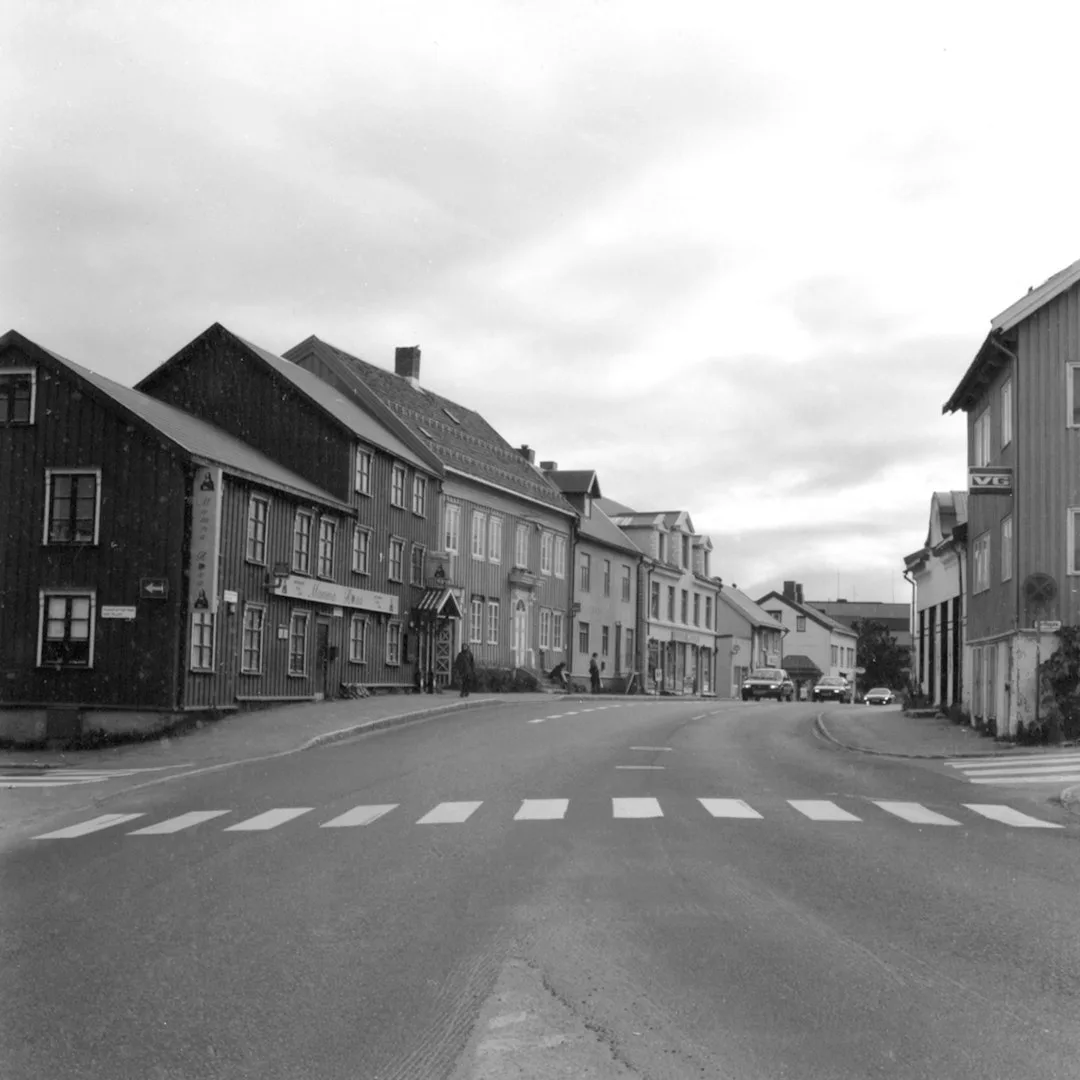
Illustration · Oslo, Norway
A Norway hire costs more than the salary figure. The biggest single line is the arbeidsgiveravgift. In Oslo and most urban areas (Zone I) the rate is 14.1% of gross. In Finnmark and some remote northern areas (Zone V) the rate is zero.
On top of that, every employer must contribute at least 2% of salary into the mandatory occupational pension (OTP). These two lines together add roughly 16 percent to a Zone I gross salary.
Every employee gets 25 days paid leave days under the Holiday Act (Ferieloven). Holiday pay accrues at 10.2% of prior-year gross earnings. Sick pay is paid at 100% of salary for the first 16 days calendar days, after which NAV takes over up to a ceiling of 6G.

The headline: what a Norway hire actually costs
Start with gross salary. Add 14.1% arbeidsgiveravgift for a Zone I hire. Add 2% OTP pension on salary up to 12G.
The table below shows illustrative totals at a NOK 700,000 annual salary. These are computed from verified statutory rates and labelled illustrative. They are not statutory figures.
The structure is straightforward for most hires. Two mandatory lines on top of gross salary: employer social contribution and pension. The zone rate is the one variable that catches people out.
| Line | Illustrative cost on NOK 700,000 annual salary (Zone I) | Source |
|---|---|---|
| Gross salary | NOK 700,000 | Contract |
| Arbeidsgiveravgift at 14.1% of gross (Zone I) | NOK 98,700 (illustrative) | Skatteetaten: Employer NIC rates 2026 |
| OTP mandatory pension at 2% of salary (minimum rate) | NOK 14,000 (illustrative) | OTP-loven section 4 |
| Holiday pay reserve: 10.2% of prior-year gross accrued (replaces June salary; net annual cost is neutral for ongoing employment) | Built into employment cycle | Ferieloven section 10 |
| Employer sick pay: 16 days calendar days at 100% of salary per episode (NAV covers the rest) | Modest per episode (illustrative) | National Insurance Act section 8-19 |
| Total illustrative employer cost (before Teamed fee) | ~NOK 812,700 (Zone I, illustrative) | ~116% of gross (illustrative) |
These figures are illustrative. They are computed from the 14.1% and 2% statutory rates confirmed for 2026. They are not statutory numbers and will vary with actual zone, pension rate offered above the minimum, and sick leave usage.
Add Teamed from $599 per employee per month and the total rises further. Use the Employer Cost Calculator to run your own salary figures in any currency.
-
Confirm the zone
Identify which arbeidsgiveravgift zone applies to the employee's work location. The zone determines the employer NIC rate. Most city-based hires land in Zone I.
-
Add the arbeidsgiveravgift
Apply the zone rate to full gross salary. There is no threshold and no ceiling. This is the dominant employer cost line.
-
Add OTP pension
Calculate the employer OTP pension contribution on gross salary up to the G-based cap. Decide whether to offer above the statutory minimum as a competitive benefit.
-
Allow for leave and sick pay
Set aside holiday pay accrual at the statutory rate on prior-year gross. Budget separately for the employer sick pay window per episode. Public holidays and the parental leave quota are known in advance.
-
Check sector obligations
Verify whether the role falls under a collective agreement or a sector with mandatory minimum wage rules. These can set a higher pay floor than the agreed salary if not checked before the offer.
The arbeidsgiveravgift: Norway's biggest employer cost line
The arbeidsgiveravgift applies to gross salary with no threshold and no upper ceiling. The Zone I rate is 14.1%. This applies in Oslo, Bergen, Stavanger, Trondheim, and most urban areas.
The rate drops to zero in Zone V (Finnmark and parts of Troms). There are five zones in total. Where you hire in Norway determines this line, not a uniform national rate.
The employer social contribution (arbeidsgiveravgift) is 14.1% for Zone I. Rates by zone: Zone I (standard) 14.1%, Zone II 10.6%, Zone III 6.4%, Zone IV 5.1%, Zone IVa 7.9%, Zone V 0%. The additional 5% charge on salaries above NOK 850,000 was abolished from 1 January 2025.
Source: Skatteetaten: Employer national insurance contributions
No upper ceiling
There is no cap on the arbeidsgiveravgift charge. Every krone of gross salary carries the full zone rate. A NOK 1,400,000 senior hire in Oslo costs 14.1% on the full amount. This is different from some markets where a ceiling limits the employer's liability on high earners. Build this into your cost model for any senior role.
The 2025 high-earner rate change
Until 31 December 2024, salaries above NOK 850,000 carried an additional 5% employer levy. That extra charge was abolished from 1 January 2025. If your cost models were built before 2025, recalculate the high-earner lines. The Zone I rate of 14.1% now applies uniformly at all salary levels.
Employee contribution
Employees pay their own national insurance contribution (trygdeavgift) at 7.6% of salary. This is withheld by the employer and remitted via the monthly a-melding. It is the employee's cost, not the employer's. It does not appear on the employer's cost line.
OTP mandatory pension: the second line every employer must fund
Every Norwegian employer must contribute at least 2% of employee salary (up to 12G) into a mandatory occupational pension scheme (obligatorisk tjenestepensjon, or OTP). This applies from the employee's first day.
The 2% is a floor. Most employers via collective agreements or individual offers contribute significantly more. There is no mandatory employee contribution under OTP-loven, though employees may contribute voluntarily.
OTP (obligatorisk tjenestepensjon) was introduced in 2006. It sits on top of the arbeidsgiveravgift. It is not bundled inside the 14.1% rate. It is a separate employer obligation set by OTP-loven section 4.
What the 2% applies to
The 2% minimum applies to salary up to 12G. With G at kr 136,549 from 1 May 2026, the cap is approximately NOK 1,638,588 a year. Most Norwegian salaries fall well below this ceiling, so the minimum applies to the full salary in practice.
| Employer OTP rate | Illustrative annual cost on NOK 700,000 salary |
|---|---|
| 2% (OTP minimum) | ~NOK 14,000 (illustrative) |
| 5% (typical mid-market) | ~NOK 35,000 (illustrative) |
| 7% (competitive) | ~NOK 49,000 (illustrative) |
All pension cost figures in this table are illustrative. They are computed from the stated employer rate applied to a NOK 700,000 gross salary. They are not statutory figures.
The minimum 2% is quite low by Nordic standards. If you want to compete for talent, most Norwegian employers contribute between 4% and 7%. Build the chosen rate, not the minimum, into long-term headcount cost models.
Statutory leave: the costs built into every Norwegian contract
Every Norwegian employee gets 25 days working days of annual leave per year under Ferieloven (the Holiday Act). Holiday pay accrues at 10.2% of prior-year gross earnings and is paid out typically in June.
Sick pay in the first 16 days calendar days of each episode is fully your cost at 100% of salary. After that, NAV pays the employee directly up to a ceiling of 6G.
Annual leave and holiday pay (feriepenger)
The 25 days days in Ferieloven section 5 count Saturdays as working days, making the entitlement 4 weeks and 1 day in calendar terms. Many employers via collective agreements or individual contracts grant 5 full calendar weeks. Employees turning 60 during the holiday year get an additional 6 working days by statute.
Holiday pay (feriepenger) accrues at 10.2% of all gross earnings from the prior year. It is paid in June and replaces the regular June salary. For ongoing employment this is largely cost-neutral month to month, but you need to set aside the accrual correctly. Employees covered by collective agreements with a 5th holiday week receive 12% instead of 10.2%.
Sick pay and NAV cover
Norway has no waiting days. Employees qualify for sick pay from the first day of absence once they have worked at least 4 weeks. You pay 100% of salary for the first 16 days calendar days. After day 16 days, NAV pays the employee directly. Total sickness benefit runs for up to 52 weeks within a rolling 3-year period.
NAV's sick pay is capped at 6G. With G at kr 136,549 from May 2026, that ceiling is approximately NOK 819,000 a year. Employees earning above that may ask you to top up voluntarily, but there is no statutory obligation to do so.
Parental leave
Norway offers 49 weeks of combined parental leave at 100% pay (or 59 weeks at 80%). The 15 weeks father or co-parent quota (fedrekvote) is use-it-or-lose-it. NAV funds the benefit up to 6G. Your cost during parental leave is operational, not the benefit payment itself. There are 12 public holidays in Norway in 2026.
How Teamed handles Norwegian employment costs for you
Teamed becomes your legal employer of record in Norway for from $599 per employee per month, with zero FX mark-up in any currency.
Payroll, the arbeidsgiveravgift, OTP pension, holiday pay accrual, and the full Norwegian employment compliance stack run on one platform.
Real HR and legal experts handle your Norway hires from the first offer letter through every a-melding submission and annual holiday pay calculation. An actual person, not a chatbot or a pooled queue. There is no setup fee and no exit fee. Every employer cost passes through at cost, itemised on every invoice. You see the arbeidsgiveravgift line, the OTP pension line, and the sick pay line. Nothing is hidden inside the management fee.
EOR payroll, contractor onboarding, and entity setup all live on one platform. A Norwegian contractor who converts to payroll keeps their record. That same employee can graduate from EOR to your own Norwegian entity without switching systems. EOR is the right structure for a first Norway hire, until it isn't. Teamed does not lock you in. Start from the Norway hiring overview or run the Employer Cost Calculator to see the full picture.
Frequently asked questions
What does it cost to hire someone in Norway in 2026?
A Norway hire in Oslo or another Zone I location typically costs 115 to 120 percent of gross salary in direct employer cost. The main driver is the arbeidsgiveravgift at 14.1% of gross, with no threshold and no ceiling. Add the 2% OTP mandatory pension and holiday pay accruing at 10.2% of prior-year gross, and the total adds up quickly. The rate is zero in Zone V (Finnmark), so where the employee works determines this line.
What is the employer NIC rate in Norway in 2026?
The arbeidsgiveravgift (employer national insurance contribution) is 14.1% for Zone I, which covers Oslo and most urban areas. The rate varies by geographic zone from 0% in Zone V (Finnmark) to 14.1% in Zone I. The additional 5% levy on salaries above NOK 850,000 was abolished from 1 January 2025. The zone rate is confirmed by Skatteetaten for 2026.
Is there statutory severance pay in Norway?
No. Norway has no statutory severance pay. When employment ends, the main cost is salary through the full notice period. Notice runs from one month for employees with under five years of service up to six months for employees with ten or more years who are aged 60 or over. Any severance paid in practice comes from collective agreements or a negotiated termination agreement (sluttavtale).
How much sick pay must a Norwegian employer fund?
You pay 100% of salary for the first 16 days calendar days of each episode of sickness absence. There are no waiting days. After day 16 days, NAV takes over and pays the employee directly, up to a ceiling of 6G (approximately NOK 819,000 a year from May 2026, with G at kr 136,549). Total NAV sickness benefit runs for up to 52 weeks within a rolling three-year period.
What is the mandatory pension contribution for Norwegian employers?
Every Norwegian employer must contribute at least 2% of salary (up to 12G) into a mandatory occupational pension scheme (OTP) under OTP-loven section 4. This is separate from the 14.1% arbeidsgiveravgift. Most mid-market employers contribute 4 to 7 percent. There is no mandatory employee contribution under OTP-loven, though employees may contribute voluntarily.
The zone question is the first thing we ask on every Norway hire. Most people assume a single national rate and budget the wrong number. An Oslo hire costs 14.1% in employer NIC. A hire based in a rural northern municipality might cost nothing in NIC at all. Get the zone right before you finalise the budget.
Norway's arbeidsgiveravgift is 14.1% in Zone I and zero in Finnmark. Most cost quotes only give you one number.
Add 2% OTP pension and 25 days days of leave with holiday pay accruing at 10.2%, and the total is consistently 115 to 120 percent of gross.
Know the zone. Know every line.
Looking for a job in Cost Breakdown yourself? Teamed does not hire people directly. Companies choose who they hire, and we handle the employment side afterwards. Here is why we cannot help with your search.