What Serbia employee benefits must you provide in 2026?
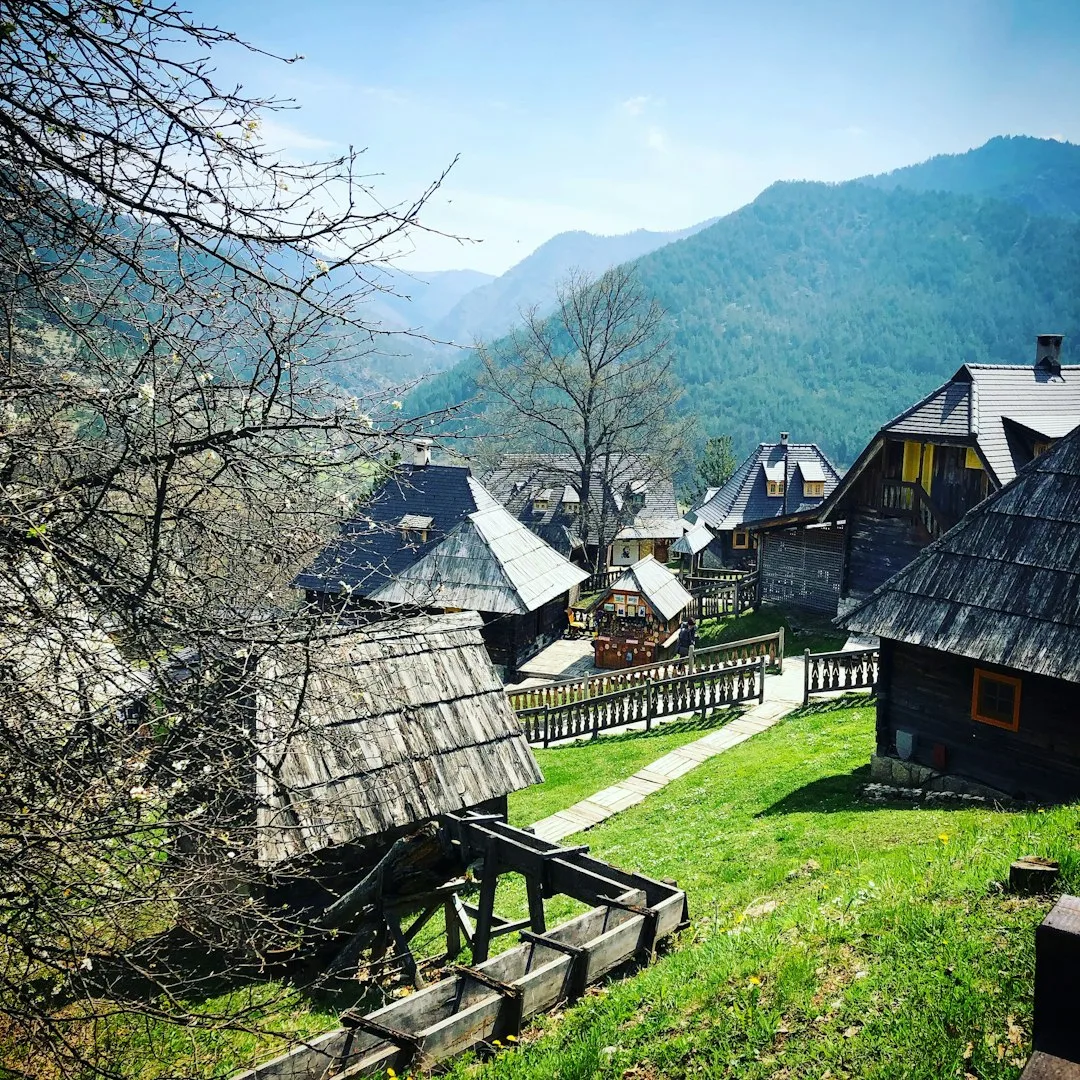
Illustration · Belgrade, Serbia
Serbian law requires 20 days of paid annual leave and a full year of maternity leave at full salary, funded by the state. Employer social security costs are 15.15% of gross, making Serbia one of the lowest-burden markets in Southeast Europe.
· Serbia guide
Serbian law sets 20 days of paid annual leave per year as the minimum.
Sick pay for non-work illness is 65% of wages for the first 30 days. After that, the state Health Insurance Fund takes over.
Maternity leave runs for 365 days at 100% of salary, funded by the state. Employer social security costs total 15.15% of gross, one of the lowest rates in the region.
What benefits must you provide Serbia employees by law?
The law sets a floor on leave, sick pay, and social contributions. You must provide 20 days of paid annual leave each year.
For non-work illness, you pay 65% of wages for the first 30 days. After that the Health Insurance Fund pays directly. You contribute 15.15% total employer social security on every gross salary.
| Benefit | Minimum (2026) | Source |
|---|---|---|
| Annual leave | 20 days (working days, not calendar days) | Labour Law (Zakon o radu), Article 69 |
| Public holidays | 12 non-working national holidays in 2026 | Law on Public Holidays in the Republic of Serbia |
| Sick pay (non-work illness, first 30 days) | 65% of average wage, paid by employer for 30 days | Labour Law, Article 115 |
| Sick pay (after 30 days) | State Health Insurance Fund pays directly. No employer cost. | Law on Mandatory Social Insurance |
| Maternity and childcare leave | 365 days total, at 100% of average salary, state-funded | Law on Financial Support to Families with Children |
| Employer social security | 15.15% of gross salary (pension 10%, health 5.15%) | Law on Mandatory Social Security Contributions |
| Employee social security | 19.9% of gross salary (pension 14%, health 5.15%, unemployment 0.75%) | Law on Mandatory Social Security Contributions |
What does a competitive Serbia benefits package look like?
The statutory floor is lean by Western standards. Competitive employers in Belgrade and Novi Sad add private health insurance, meal vouchers, transport allowances, and a performance or thirteenth-month bonus.
The full enhanced package typically costs 1,500 to 5,000 euros per employee per year on top of gross salary and social contributions.
| Benefit | Typical mid-market cost | What it gets you |
|---|---|---|
| Private health insurance (supplemental) | 200 to 600 euros per year per employee | Faster access to private clinics, dental, specialist cover |
| Meal vouchers (topli obrok) | Up to RSD 3,200 per working day, tax-free up to the threshold | Common expectation; candidates factor it into net pay comparison |
| Transport allowance | Reimbursement up to the public transport cost, tax-free | Expected for commuters in Belgrade and Novi Sad |
| Performance or year-end bonus | One half to one full month salary; no statutory obligation | Retention signal; treated as the informal thirteenth month in many companies |
| Remote working allowance | 50 to 150 euros per month | Increasingly expected by tech and services hires post-2022 |
| Learning and development budget | 300 to 1,500 euros per year per employee | Certifications, conferences, language courses |
| Life and accident insurance | 50 to 150 euros per year per employee | Group policies available at low cost in Serbia |
Model your loaded benefit cost on the Employer Cost Calculator to see the full picture for a specific salary and package.
What pension contribution should you plan for in Serbia?
Serbia does not have a voluntary workplace pension scheme in the UK or German sense. Pension contributions are part of the mandatory social security system.
The employer contributes the pension component through the total social security rate of 15.15%. There is no separate employer pension match to set.
How the pension contribution works:
- Employer side: 15.15% total social security on gross salary covers pension (10%), health (5.15%), and no unemployment component. There is no option to enhance the pension component independently.
- Employee side: 19.9% total social security covers pension (14%), health (5.15%), and unemployment (0.75%). Contributions are withheld from gross and remitted by the employer.
- No voluntary workplace scheme: Serbia has a nascent voluntary pension fund market, but it is not common in employment packages outside large multinationals. Offering a voluntary pension contribution is a genuine differentiator for senior hires.
The competitive play is therefore either a voluntary pension fund contribution (unusual and therefore noted by candidates) or a higher base salary that reflects the absence of an enhanced pension line in the package. Most foreign companies hiring through an EOR in Serbia build the retention story around salary level, the year-end bonus, and the learning budget rather than pension architecture.
Contributions are calculated on the gross salary, subject to the minimum base of RSD 51,297 per month and a maximum base of RSD 732,820 per month for 2026.
Maternity and family leave: the Serbia advantage for employers
Serbia offers one of the most generous state-funded parental leave schemes in Europe. Maternity leave runs for 365 days at 100% of average salary.
The state pays, not the employer. Your cost is limited to administration and backfill.
How the scheme works:
- Duration: 365 days total for the first or second child. For a third or subsequent child, leave can extend further under the Law on Financial Support to Families with Children.
- Pay rate: 100% of the mother's average salary over the previous 18 months, paid by the state Health Insurance Fund. No employer top-up is required.
- Who pays: The Health Insurance Fund (RFZO) pays the benefit directly or reimburses the employer. The employer administers the paperwork but bears no salary cost for the duration.
- Paternity leave: Sources differ on the exact duration for paternity leave under current Labour Law. The minimum is at least several working days. Check the current Labour Law text or ask Teamed for the confirmed figure before quoting it in an offer letter.
- Childcare leave: After the initial maternity period, childcare leave (roditeljsko odsustvo) can be taken by either parent up to the child's second birthday, under the same state benefit framework.
From a hiring perspective, the full-year paid leave is a genuine offer differentiator. Candidates comparing Serbia with other EU-adjacent markets frequently cite it as a reason to stay local rather than move to a Western European employer.
Tech and professional services retention: benefits that move candidates in Serbia
Serbia has a large and growing tech talent pool, particularly in Belgrade and Novi Sad. The competition for senior engineers and finance professionals is direct and intense.
The benefits that shift decisions are not the statutory ones. They are the signals that the employer understands what Serbian talent values in 2026.
What Serbian tech and professional services candidates say they value most, ranked by practical weight:
- Remote and hybrid flexibility. Post-pandemic expectations are firmly set. Fully remote is common among international employers. Hybrid with 2 to 3 days in office is the Belgrade norm for mid-size companies.
- Gross salary transparency. Serbian candidates are experienced at calculating net from gross. Present the gross and the tax/contribution breakdown. Candidates who receive a net-only offer assume the employer is hiding the structure.
- Private health insurance. The public health system is functional but slow. A supplemental private policy costs 200 to 600 euros per year and is one of the most noticed benefits in offer comparisons.
- Meal vouchers at the tax-free ceiling. A standard expectation. Missing it from a package reads as an oversight, not a deliberate choice.
- Learning and development budget with real scope. Serbian engineers cite L&D budget as a top-five retention factor. A 1,000 euro per year figure with few restrictions is competitive. A 300 euro cap with an approval process is not.
- Year-end performance bonus. No statutory obligation, but a strong norm in tech. One month gross equivalent is the typical mid-market anchor.
Equity: Serbia does not have a statutory employee share ownership scheme, and the tax treatment of stock options from foreign parents is not straightforward. Most international employers offering equity to Serbian hires structure it as a phantom equity or profit participation arrangement. This is market practice, not a statutory framework, and requires separate legal review.
How does Teamed handle Serbia benefits for you?
Teamed becomes your legal employer of record in Serbia for from $599 per employee per month, with zero FX mark-up in any currency.
Payroll, social security, statutory benefits, and Serbian labour law compliance run on one platform.
Real HR and legal experts set up and administer Serbian social security registrations, manage the Labour Law paperwork for annual leave and sick pay, and process maternity leave claims through the Health Insurance Fund. An actual person, not a chatbot or a pooled queue. There is no setup fee and no exit fee. Employer cost passes through at cost, itemised on every invoice. Start with EOR and graduate to your own entity when the time is right; most teams find EOR works well until it isn't more cost-effective to run a local entity.
What is included in Teamed's standard EOR fee in Serbia:
- Registration with the Central Registry of Mandatory Social Insurance (CROSO)
- Monthly payroll with same-day social security and PIT remittance
- Sick pay administration (employer-funded period plus handoff to RFZO)
- Maternity and childcare leave claims management with the Health Insurance Fund
- Annual leave tracking and Labour Law compliance
- Employment contract in Serbian and English, compliant with the Labour Law
What clients pass through at cost on the invoice:
- Private health insurance premiums
- Meal voucher face value
- Transport reimbursements
- Any performance or year-end bonus payments
- Learning and development spend
The benefits package is bespoke to the client's hiring context. Teamed's job is to make the mechanics frictionless, not to dictate the package.
Key sources: Labour Law Serbia (Paragraf.rs), PwC Serbia Tax Summaries.
-
Register with CROSO
Before the first Serbian hire starts work, register as an employer with the Central Registry of Mandatory Social Insurance. Teamed handles this registration on your behalf.
-
Set the leave and sick pay terms
The employment contract must set out annual leave entitlement at or above the 20 days floor. The sick pay rate follows the Labour Law; the contract cannot reduce it below the level the law requires.
-
Agree on the competitive package
Decide which above-floor benefits you want to offer: private health insurance, meal vouchers, transport allowance, and learning budget are the core decisions. Teamed can benchmark against current market practice.
-
Process monthly payroll and contributions
Social security and income tax are due on the same day as salary payment. Teamed calculates, withholds, and remits both employer and employee contributions automatically.
-
Administer leave and claims
Sick pay claims, maternity leave applications, and annual leave accrual are tracked on the Teamed platform. Handoffs to the Health Insurance Fund for long-term absences are handled by Teamed's in-country team.
Frequently asked questions
How many days of annual leave must Serbia employees receive by law?
The minimum paid annual leave is 20 days per year under the Labour Law, Article 69. These are working days, not calendar days. Serbia also has 12 non-working national holidays in 2026. Employers can count public holidays toward the minimum or offer them on top, but the 20 days working-day floor applies regardless.
How does sick pay work for employers in Serbia?
For non-work illness, you pay 65% of the employee's average wage for the first 30 days of absence. After that, the state Health Insurance Fund (RFZO) takes over and pays the benefit directly. Work-related illness or injury is funded by the state from day one, with no employer sick pay obligation.
How long is maternity leave in Serbia and who pays for it?
Maternity and childcare leave runs for 365 days for a first or second child. The state Health Insurance Fund pays 100% of the mother's average salary over the previous 18 months. The employer administers the process but does not fund the leave. This is among the most generous state-funded parental leave structures in Southeast Europe.
What are the employer social security contribution rates in Serbia?
Employers contribute 15.15% of gross salary in total social security contributions, covering pension (10%) and health insurance (5.15%). There is no employer unemployment contribution. The employee contributes 19.9% of gross salary, covering pension (14%), health (5.15%), and unemployment (0.75%).
Is there a statutory thirteenth-month or year-end bonus in Serbia?
No. Serbia has no statutory thirteenth-month pay or mandatory year-end bonus. Any such payment is agreed contractually or set by a collective bargaining agreement. In practice, a performance bonus of roughly one month gross is common in mid-market and tech companies, but it is not a legal obligation.
The full-year maternity leave at full salary surprises most hiring managers from Western markets. The state pays it, not the employer. That changes the cost model and the pitch to candidates in one conversation.
Serbia's 20 days leave floor is set by the Labour Law. Belgrade tech hires expect private health insurance and meal vouchers on top before the offer feels complete.
The maternity leave story is genuinely strong. A full year at full salary, state-funded, costs you nothing but the backfill.
Low employer social security and a real talent pool. Get the package right and Serbia delivers.
Looking for a job in Benefits yourself? Teamed does not hire people directly. Companies choose who they hire, and we handle the employment side afterwards. Here is why we cannot help with your search.