What Russia employee benefits must you provide in 2026?
Russia pays maternity leave at 100% of average earnings for 140 days, fully funded by the state social insurance system. Paternity leave is unpaid. Your total employer cost includes a unified social contribution of 30% on earnings up to the annual wage base.
· Russia guide
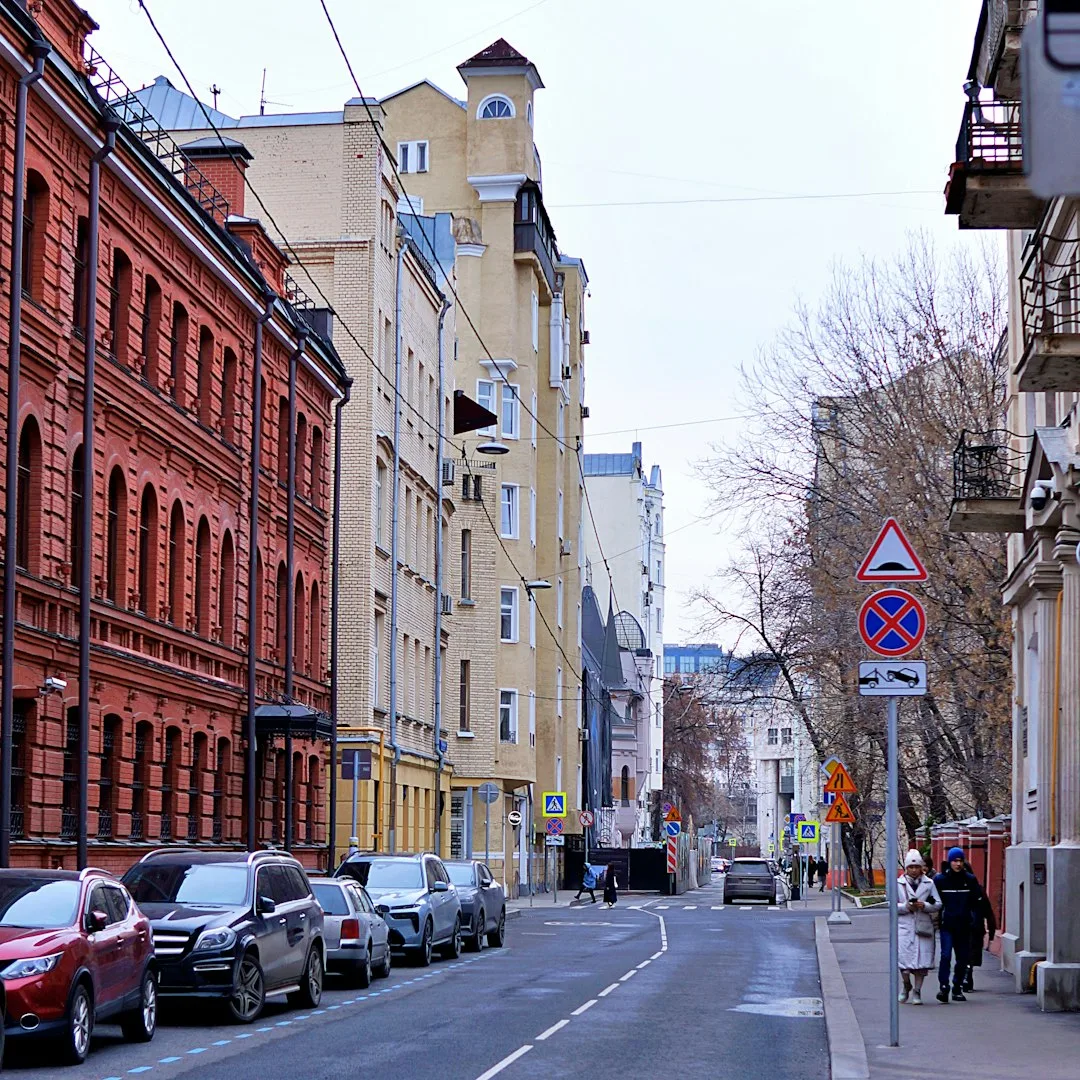
Illustration · Moscow, Russia
Russia sets 28 days of paid annual leave per year for every employee.
Maternity leave runs for 140 days at 100% of average earnings. The Social Insurance Fund pays it, not the employer.
Paternity leave is 5 days unpaid. There is no paid statutory paternity entitlement.
Sick pay starts on day four. The employer covers the first 3 days. The rate depends on how long the employee has worked.
What benefits must you provide Russia employees by law?
The law sets a clear floor. Every employee gets 28 days of paid annual leave per year.
Sick pay starts from the first day of illness. You as the employer fund the first 3 days. The Social Insurance Fund covers the rest. The rate rises with length of service.
| Benefit | Minimum (2026) | Source |
|---|---|---|
| Annual leave | 28 days paid calendar days | Russian Labor Code Article 115 |
| Sick pay (employer-funded) | First 3 days paid by employer; Social Insurance Fund from day four | Federal Law No. 255-FZ |
| Sick pay rate: under 5 years service | 60% of average earnings | Federal Law No. 255-FZ Article 7 |
| Sick pay rate: 5 to 8 years service | 80% of average earnings | Federal Law No. 255-FZ Article 7 |
| Sick pay rate: 8 or more years service | 100% of average earnings | Federal Law No. 255-FZ Article 7 |
| Maternity leave | 140 days at 100% of average earnings | Russian Labor Code Article 255; Federal Law No. 255-FZ |
| Paternity leave | 5 days unpaid (no paid entitlement) | Russian Labor Code Article 128 |
| Childcare leave | Until the child turns three. Paid allowance from the Social Insurance Fund for the first 18 months. | Russian Labor Code Article 256 |
| Unified social contribution (employer) | 30% on earnings up to RUB 2,979,000 per year; 15.1% above that | Russian Tax Code Chapter 34 |
Note: Russia replaced separate pension, medical, and social insurance streams with a single unified contribution in 2023. There is no distinct employer pension contribution line. The unified rate covers pension, compulsory medical insurance, and social insurance in one payment.
-
Confirm the annual leave floor
Every employee is entitled to 28 days of paid annual leave per year under Russian Labor Code Article 115. Set up accrual tracking from the first day of employment.
-
Set up sick pay administration
You as the employer fund the first 3 days of any illness absence. The Social Insurance Fund covers the rest from day four. Apply the correct rate based on length of service: 60% for under 5 years, rising to 100% for 8 or more years.
-
Register for the unified social contribution
The unified social contribution rate is 30% on earnings up to the annual wage base of RUB 2,979,000. Above that threshold the rate drops to 15.1%. This single payment covers pension, medical, and social insurance. Employees pay nothing; the entire cost sits with you.
-
Plan for maternity and childcare leave
Maternity leave runs for 140 days at 100% of average earnings, funded by the Social Insurance Fund. After maternity leave, either parent may take childcare leave until the child turns three. The Social Insurance Fund pays an allowance for the first 18 months; the second 18 months are unpaid at the legal floor.
-
Decide on voluntary medical insurance
Voluntary medical insurance (DMS) is now a baseline expectation for professional roles in Moscow and Saint Petersburg. DMS premiums up to 6 percent of payroll are deductible for corporate tax, making it cost-efficient relative to an equivalent salary increase. Budget 30,000 to 120,000 rubles per employee per year depending on the tier required.
-
Model the total employer cost before hiring
Load the 30% unified contribution, any DMS premium, meal and transport allowances, and sick pay top-ups into your cost model before you make an offer. Use the Employer Cost Calculator to produce a single loaded figure per headcount.
What does a competitive Russia benefits package look like?
For tech and professional roles in Moscow and Saint Petersburg, the competitive benchmark adds: voluntary medical insurance (DMS), meal subsidies or a canteen, mobile phone allowance, and a transport allowance.
The full competitive package typically costs 80,000 to 250,000 rubles per employee per year on top of salary and statutory contributions. The range depends heavily on DMS tier and location.
| Benefit | Typical mid-market cost | What it gets you |
|---|---|---|
| Voluntary medical insurance (DMS) | 30,000 to 120,000 rubles per year per employee | Private clinic access, specialist referrals, dental options |
| Meal allowance or canteen subsidy | 5,000 to 15,000 rubles per month per employee | Daily lunch benefit, widely expected in larger companies |
| Mobile phone allowance | 500 to 2,000 rubles per month per employee | Covers work mobile costs |
| Transport allowance | 2,000 to 8,000 rubles per month per employee | Metro and public transport, or fuel reimbursement |
| Enhanced sick pay top-up | Employer-determined | Closes gap for employees with under 8 years service on 60 to 80 percent statutory rate |
| Mental health and EAP support | 2,000 to 8,000 rubles per year per employee | Counselling access, helpline, growing in tech sector |
Model your loaded benefit cost on the Employer Cost Calculator to see the full picture for a specific salary and package.
What social contribution rate should you plan for?
Russia has no separate employer pension contribution. The unified social contribution (ediniy tarif) covers pension, medical, and social insurance in one rate.
The rate is 30% on earnings up to the annual wage base. Above the base, the rate drops to 15.1%.
The 2026 annual wage base is RUB 2,979,000. Earnings above this level attract the lower rate of 15.1%.
Three things to understand about the structure:
- No employee deduction. Employees pay no social contribution. The entire cost sits with the employer.
- Wage base resets each January. Every employee's contribution restarts at the full 30% rate on 1 January. Senior earners hit the ceiling mid-year, reducing their marginal cost for the rest of the year.
- DMS is deductible. Voluntary medical insurance (DMS) premiums up to 6 percent of payroll are deductible for corporate tax purposes in Russia, making DMS a tax-efficient benefit.
For most employers, the effective blended rate across a full year sits between 15.1% and 30% depending on salary levels. Use the Employer Cost Calculator to model the actual cost for your team.
Childcare leave: the three-year structure and how employers use it
Russia provides one of the longest childcare leave entitlements in the world. An employee can take leave until the child turns three.
The state Social Insurance Fund pays a monthly allowance for the first 18 months. The second 18 months are unpaid at the legal floor. Employers who top up the second period stand out in competitive hiring.
How the three-year structure works:
- Maternity leave (decree leave): 140 days paid at 100% of average earnings. Funded by the Social Insurance Fund.
- Childcare leave months 1 to 18: A monthly allowance from the Social Insurance Fund. The allowance is calculated at 40 percent of average earnings up to a statutory monthly cap. Either parent can take this leave.
- Childcare leave months 19 to 36: The employee retains the right to return to their role. No statutory pay applies. Employers may pay a voluntary top-up; this is increasingly common in tech and professional services.
The job-protection rule is strong. The employer cannot dismiss an employee who is on childcare leave. The employee must be offered the same role or an equivalent role on return.
Fathers may take childcare leave instead of the mother. In practice, uptake of paternity and shared childcare leave is low by Western standards. Competitive employers signal the option clearly in their benefit descriptions to attract dual-career households.
The statutory paternity leave entitlement is only 5 days unpaid. Employers who offer even two to four weeks of paid paternity leave differentiate themselves meaningfully in Russia's tech hiring market.
Voluntary medical insurance: the 2024 to 2026 expectation shift
Voluntary medical insurance (DMS) moved from a perk to a baseline expectation in Moscow and Saint Petersburg tech hiring over 2024 to 2026.
Candidates at mid-level and above now factor DMS tier into their offer evaluation alongside salary.
Three DMS tiers in the Russian market:
- Basic DMS. Outpatient clinic access, standard specialist referrals, basic dental. Cost: 30,000 to 50,000 rubles per year per employee. The minimum competitive offer for professional roles.
- Mid-tier DMS. Broader clinic network, faster appointments, expanded dental cover, some mental health access. Cost: 50,000 to 85,000 rubles per year per employee. The mid-market benchmark for tech companies with 20 or more employees.
- Premium DMS. Top private hospitals, international network access, full dental and vision, mental health sessions, and optional family coverage. Cost: 85,000 to 120,000 rubles per year per employee or above. Standard for senior or specialist roles.
The tax angle: DMS premiums up to 6 percent of payroll are deductible for corporate income tax. This makes mid-tier DMS cost-efficient relative to an equivalent salary increase, which would attract income tax and the full unified social contribution.
Sick pay top-up works alongside DMS. Employees with under 8 years of service receive only 60% to 80% of earnings during illness. A contractual top-up to 100 percent prevents income disruption and reduces short-term absences, particularly valued by employees with families.
How does Teamed handle Russia benefits for you?
Teamed becomes your legal employer of record in Russia for from $599 per employee per month, with zero FX mark-up in any currency.
Payroll, statutory benefits, and the full Russian Labor Code stack run on one platform.
Real HR and legal experts administer the unified social contribution, manage the state Social Insurance Fund reporting, and handle maternity and childcare leave documentation under Russian law. An actual person, not a chatbot or a pooled queue. There is no setup fee and no exit fee. Employer cost passes through at cost, itemised on every invoice.
What is included in Teamed's standard EOR fee:
- Unified social contribution administration and remittance
- Sick pay and maternity leave administration, including Social Insurance Fund claims
- Annual leave tracking and accrual
- Childcare leave documentation and job-return administration
- Compliance with Russian Labor Code benefit reporting requirements
What clients pass through at cost on the invoice:
- Voluntary medical insurance (DMS) premiums
- Meal and transport allowances
- Enhanced sick pay top-ups above the legal floor
- Paid paternity leave above the statutory minimum
- Any other voluntary benefit premiums
The benefits package is bespoke to the client's positioning. Teamed's job is to make the operational mechanics frictionless, not to dictate the package.
Key sources: CXC Global Russia Leave Guide and Acsour: Social Contribution Base 2026.
Frequently asked questions
How many days of annual leave must Russia employees receive by law?
The minimum paid annual leave in Russia is 28 days per year under Russian Labor Code Article 115. These are calendar days, not working days. Certain categories such as employees in harmful conditions or with irregular working hours are entitled to additional days on top of this floor.
How does sick pay work in Russia?
You as the employer pay the first 3 days of any illness absence. The Social Insurance Fund pays from day four onward. The pay rate depends on length of service: 60% for under 5 years, 80% for 5 to 8 years, and 100% for 8 or more years. There is a daily cap on Social Insurance Fund payments; the 2026 cap is set by government regulation.
What is the employer social contribution rate in Russia?
The unified social contribution rate is 30% on annual earnings up to RUB 2,979,000. Above that threshold, the rate drops to 15.1%. Employees pay no social contribution themselves. The unified rate replaced separate pension, medical, and social insurance streams in 2023 under Russian Tax Code Chapter 34.
How long is maternity leave in Russia and who pays for it?
Standard maternity leave (decree leave) runs for 140 days. It is paid at 100% of the employee's average earnings. The Social Insurance Fund pays the benefit directly; you do not fund it from payroll. After maternity leave, the parent can take childcare leave until the child turns three. A state allowance covers the first 18 months of childcare leave.
Is there paid paternity leave in Russia?
No. Statutory paternity leave is 5 days and it is unpaid under Russian Labor Code Article 128. There is no paid statutory paternity entitlement. Fathers can take childcare leave instead of the mother, and that childcare leave attracts the same state allowance. Employers who offer paid paternity leave above the statutory minimum do so on a voluntary basis.
In Russia the cost surprise is not in the salary. It is in the 30 percent unified contribution sitting on top of it. Get that figure into your model before you make the offer, not after.
Russia funds 140 days of maternity leave at full earnings. The employer pays nothing extra.
Voluntary medical insurance is now a baseline expectation in Moscow tech hiring.
The unified social contribution is 30%. That is the number that changes your hiring economics.