
How do Philippines working time and leave rules work in 2026?
Philippine law sets a 48 hours week with no opt-out. Annual paid leave is just 5 days under the Labor Code, earned only after 12 months of service. Most employers offer more.
· Philippines guide

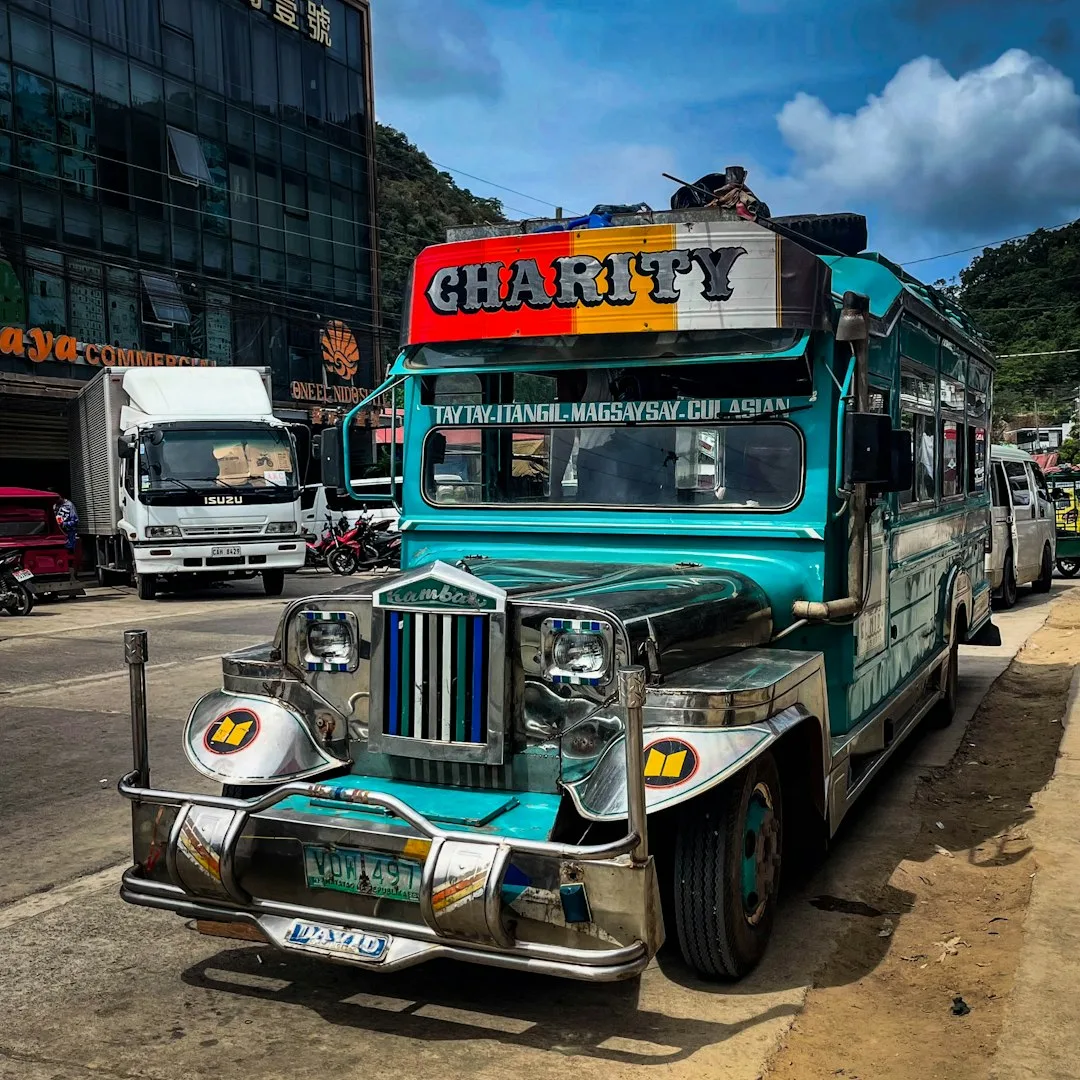
Illustration · Makati City, Philippines
Philippines working time is governed by the Labor Code of the Philippines (Presidential Decree No. 442).
The normal working week is 48 hours, with a maximum of 8 hours per day. There is no individual opt-out mechanism.
Annual paid leave is 5 days under the Service Incentive Leave rule. Employees earn it only after 12 months of service. Public holidays are separate, not bundled into that total.
Sickness benefit is paid through the SSS, not directly by the employer, at 90% of the employee's average daily salary credit.
What is the Philippines working-time limit?
The normal working day is 8 hours. The normal working week is 48 hours.
There is no opt-out from the daily or weekly cap. Hours above the normal limit are overtime and must be paid at premium rates.
The rules come from Book III of the Labor Code of the Philippines, Article 83. The 8 hours daily cap applies to all rank-and-file employees. Managerial employees who exercise discretion in their duties are exempt from the hours cap under Article 82.
Overtime
Work beyond 8 hours in a day is overtime. Overtime on ordinary weekdays is paid at at least 125% of the regular hourly rate. Overtime on a rest day or public holiday is paid at higher premiums set by the Labor Code.
Night-shift differential applies to work performed between 10pm and 6am. The additional rate is at least 10% above the regular hourly rate for each hour of night-shift work.
Work on rest days and holidays
Employees are entitled to at least one rest day per week. If an employee works on their designated rest day, the rate must be at least 130% of the regular daily rate. Work on a regular public holiday that falls on a rest day attracts a rate of at least 260% of the daily rate. The specific premiums are set by Department of Labor and Employment (DOLE) regulations and Wage Orders.
What rest periods are Philippines workers entitled to?
Every employee is entitled to at least 60 minutes of meal break per workday. This break is not counted as working time.
Every employee is also entitled to at least one rest day in every six consecutive working days.
| Rest entitlement | Trigger | Statutory minimum |
|---|---|---|
| Meal break | Every workday | 60 minutes, unpaid, not counted as working time |
| Weekly rest day | Every 6 consecutive working days | 24 consecutive hours |
| Normal working day | Every day | 8 hours maximum |
| Normal working week | Every week | 48 hours maximum |
The Labor Code does not prescribe a specific number of hours of daily rest between workdays (unlike the EU Working Time Directive's 11-hour rule). Employers must give the 60-minute meal break and the weekly rest day. Short breaks of less than 20 minutes are compensable time and count as working time.
Employees can request their rest day on a specific day, including on religious grounds. Employers should accommodate this where business needs allow.
How does Philippines annual leave work?
The minimum is 5 days of Service Incentive Leave per year. Employees earn this only after 12 months of service.
Public holidays are not bundled into the Service Incentive Leave total. They are separate and on top.
The Service Incentive Leave (SIL) rule comes from Article 95 of the Labor Code of the Philippines. Key points:
- Entitlement: 5 days with full pay per year of service.
- Qualifying period: Employees must have completed at least 12 months of service, whether continuous or broken.
- Exempt employers: Establishments with fewer than 10 regular employees and certain industries (agriculture, domestic workers, government) are exempt from the SIL rule.
How market practice differs
The 5 days SIL floor is a statutory minimum and is widely considered low. Most professional employers in Metro Manila provide 15 days of paid vacation leave and 15 days of paid sick leave per year on top of the statutory floor. This enhanced package is the competitive market standard in the technology, BPO, and professional services sectors.
Carry-over and cash conversion
Unused SIL days not used during the year must be converted to cash and paid to the employee. Employers may agree on carry-over arrangements, but the Labor Code does not mandate carry-over. The cash conversion requirement applies at the end of the leave year for all unused SIL days. Many employers with enhanced leave policies allow partial carry-over of their additional leave by agreement.
Holiday pay and leave interaction
Regular public holidays are paid days off above and beyond the SIL entitlement. If an employee works on a regular public holiday, they are entitled to double their daily rate for that day. Special non-working days carry a different premium structure. Neither type of public holiday consumes a day of the employee's SIL balance.
How many Philippines public holidays are there?
There are 12 regular public holidays in 2026. There are also 8 special non-working days.
Regular public holidays and special non-working days carry different pay rules for employees who work on those days.
The 2026 public holidays are declared by Proclamation No. 1006 (2025). The President issues a new proclamation each year, so the exact list can change annually.
Regular public holidays 2026 (12 days)
| Holiday | Date |
|---|---|
| New Year's Day | 1 January |
| Araw ng Kagitingan (Day of Valour) | 9 April |
| Maundy Thursday | 2 April |
| Good Friday | 3 April |
| Labour Day | 1 May |
| Independence Day | 12 June |
| Eid'l Fitr (Feast of Ramadan) | Announced annually |
| Eid'l Adha (Feast of Sacrifice) | Announced annually |
| National Heroes Day | Last Monday of August |
| Bonifacio Day | 30 November |
| Christmas Day | 25 December |
| Rizal Day | 30 December |
Pay rules for public holidays
If the employee does not work on a regular public holiday, they receive their regular daily rate. If they do work, they receive at least double their regular daily rate (200%). Special non-working days carry a different formula: if the employee does not work, no additional pay is required (no work, no pay, unless a more favourable arrangement exists in the employment contract or CBA). If they work on a special non-working day, they receive at least 130% of their daily rate.
Parental leave in Philippines
Mothers are entitled to 105 days of paid maternity leave for a live childbirth.
Fathers are entitled to 7 days of paid paternity leave for the first four deliveries of their legitimate spouse.
Maternity leave
Maternity leave is governed by Republic Act No. 11210 (105-Day Expanded Maternity Leave Law). Key points:
- Duration: 105 days for live childbirth, including caesarean section. This applies to all pregnancies regardless of delivery number.
- Miscarriage or emergency termination: 60 days of paid leave (prose only; the 60-day figure is in the statute but not in the cache as a figure key).
- Solo parents: An additional 15 days of paid leave is available to solo parents under RA 11210.
- Coverage: Applies to all female workers in the public and private sector, including those in the informal economy and self-employed members of SSS.
- Pay source: The SSS reimburses the employer for the maternity benefit up to the SSS wage ceiling. Employers who pay above the SSS ceiling bear the excess cost directly.
Paternity leave
Paternity leave is governed by Republic Act No. 8187 (Paternity Leave Act of 1996). Key points:
- Duration: 7 days with full pay.
- Scope: Applies to the first four deliveries of the legitimate spouse. There is no paternity leave entitlement for the fifth and subsequent deliveries.
- Timing: Leave must be used within 60 days of the delivery date.
- Pay source: The employer pays directly. There is no SSS reimbursement for paternity leave.
Market practice
Most large employers in the technology and BPO sectors extend paternity leave beyond the statutory 7 days as a competitive benefit. Extended paternity leave of 14 or more days is increasingly common in multinational companies operating in the Philippines. This is contractual, not required by law.
Sickness benefit in Philippines
The Philippines does not have a direct statutory sick pay obligation on the employer. Sickness benefit is administered through the Social Security System (SSS), not by the employer.
The SSS sickness benefit is 90% of the employee's average daily salary credit, for up to 120 days in a calendar year.
The SSS sickness benefit comes from Republic Act No. 11199 (Social Security Act of 2018), Section 14. How it works:
- The employee must be unable to work due to sickness or injury for at least four consecutive days.
- The first three days of absence are not covered by SSS (the employee bears the cost of those days unless the employer has an enhanced sick-leave policy).
- From the fourth day, SSS pays 90% of the employee's average daily salary credit for each day of covered absence.
- The maximum is 120 days of SSS sickness benefit per calendar year.
SSS sickness benefit is 90% of the average daily salary credit, for up to 120 days per calendar year. The benefit applies from the fourth day of illness. The employer advances the payment and claims reimbursement from SSS.
How the employer fits in
The employer advances the sickness benefit to the employee from the fourth day of absence. The employer then files a reimbursement claim with SSS. If the employee is not SSS-covered or has insufficient contributions, the SSS benefit does not apply. The employer has no independent statutory obligation to pay sick pay beyond what SSS requires.
Market practice
Because the statutory SSS benefit is limited and has a three-day waiting period, most professional employers in the Philippines provide paid sick leave as a separate employment benefit. A typical package offers 15 days of paid sick leave per year in addition to the SIL entitlement. This sick-leave benefit is employer-funded, above the SSS floor, and is the practical safety net for most employees in the formal sector.
How does Teamed handle Philippines employment for you?
Teamed becomes your legal employer of record in Philippines for from $599 per employee per month, with zero FX mark-up on PHP payments.
SSS registrations, maternity benefit advances, public holiday premium calculations, and SIL cash conversions all run on one platform.
Real HR and legal experts manage your Philippines working-time obligations, from SIL cash conversion at year-end through maternity benefit advances and SSS reimbursement claims. An actual person handles each issue, not a pooled queue. There is no setup fee and no exit fee. Every government contribution and benefit advance passes through at cost, itemised on your invoice.
The EOR model works well until it isn't the right fit anymore. When your Philippines headcount grows, the Crossover Calculator shows you the month your hire is ready to graduate to your own entity. Start from the Philippines hiring overview. Each guide takes one layer of Philippines employment law.
Key sources: Labor Code of the Philippines (PD 442), RA 11210 Maternity Leave Law, and SSS Sickness Benefit.
-
Confirm leave entitlements
Check whether the role qualifies for SIL. Positions exempt from SIL (fewer than ten employees, domestic workers) need a clear contract clause stating the applicable leave package.
-
Set a competitive leave package
The statutory floor is low. Decide the vacation and sick leave days above the floor before the offer letter goes out. Market standard for professional roles is fifteen days each.
-
Register with SSS and DOLE
SSS enrolment is mandatory from the first day of employment. SSS registration enables sickness benefit claims and maternity benefit reimbursements from day one.
-
Track leave and SIL balance monthly
Unused SIL converts to cash at year-end. Build the accrual and conversion into payroll so there are no December surprises.
-
Process maternity benefit advances promptly
When a covered employee goes on maternity leave, advance the SSS benefit within the required window and file the reimbursement claim to recover the cost from SSS.
Frequently asked questions
What is the maximum working week in the Philippines?
The Labor Code sets a normal working day of 8 hours and a normal working week of 48 hours. There is no opt-out mechanism. Hours beyond 8 hours per day are overtime and attract premium pay. Managerial employees who exercise management discretion are exempt from the hourly caps under Article 82 of the Labor Code.
How much annual leave are Philippines employees entitled to?
The statutory minimum is 5 days of Service Incentive Leave per year under Article 95 of the Labor Code. Employees must complete 12 months of service before the entitlement kicks in. Public holidays are separate and not bundled into this total. Unused SIL days must be converted to cash at year-end. Most professional employers provide 15 days of vacation leave and 15 days of sick leave above the statutory floor.
How many public holidays does Philippines have?
There are 12 regular public holidays in 2026, declared by Proclamation No. 1006. There are also 8 special non-working days. Employees who do not work on a regular public holiday are still entitled to their full daily rate. Those who do work receive at least 200% of their regular daily rate.
How does maternity and paternity leave work in the Philippines?
Mothers are entitled to 105 days of paid maternity leave for a live childbirth under RA 11210. The SSS funds this benefit up to the wage ceiling and reimburses the employer. Fathers are entitled to 7 days of paid paternity leave for the first four deliveries of their legitimate spouse under RA 8187. Paternity leave is employer-funded with no SSS reimbursement.
Does the employer pay sick pay directly in the Philippines?
No. Sickness benefit in the Philippines is administered through the SSS, not paid directly by the employer as a legal obligation. SSS pays 90% of the employee's average daily salary credit from the fourth day of illness, for up to 120 days per calendar year. The employer advances the payment and claims reimbursement from SSS. The first three days of absence are not covered by SSS. Most professional employers provide additional paid sick leave as a contractual benefit above the SSS floor.
The SIL cash-out rule catches most first-time Philippines employers off guard. They assume unused leave rolls over. It does not. At year-end you owe the employee cash for every unused SIL day. We build this into the payroll calendar from day one so there are no surprises in December.
Philippine law sets only 5 days of paid annual leave as the legal floor.
The 12 regular public holidays come on top, and unused leave days convert to cash at year-end.
Know the floor before you set the offer. The difference between statutory and competitive is what keeps talent in the Philippines.
Looking for a job in Working Time And Leave yourself? Teamed does not hire people directly. Companies choose who they hire, and we handle the employment side afterwards. Here is why we cannot help with your search.