Pay transparency rules in Germany
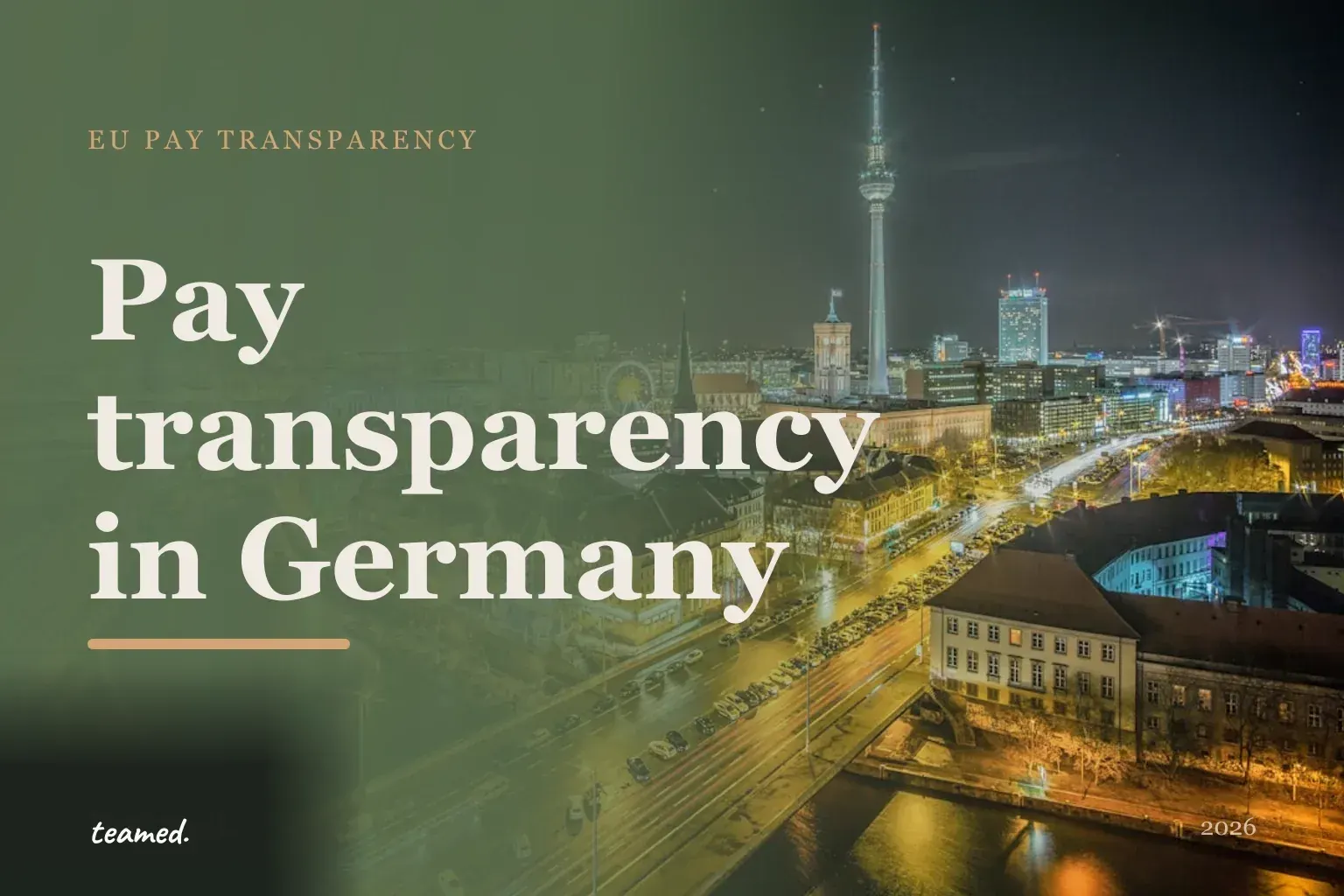
No. Germany missed the deadline and no draft bill has been published. A German law is not expected before 2027.
Germany has not published a draft law yet
What happened
Germany missed the EU deadline of 7 June 2026. The government has still not published a draft law. An expert group gave its advice in November 2025.
What it means for you
Nothing new applies to you in Germany yet. The existing 2017 Pay Transparency Act still applies. A new law is not expected to start before 2027.
Dates to know
- 7 June 2027The EU date for the first pay-gap reports from employers with 150 or more staff. Germany has not set its own date yet.
Source: KPMG Law Germany. We check this page every week. Last checked .
Germany has not yet transposed the EU Pay Transparency Directive (Directive (EU) 2023/970). It missed the EU deadline of 7 June 2026, an expert commission handed the government its final recommendations in late 2025, and as of 21 September 2026 no draft bill has been published. Lawyers expect a national law in force in 2027 at the earliest. Because EU directives do not usually bind private employers until written into national law, the Directive does not automatically apply to German employers yet.
The existing 2017 Pay Transparency Act (Entgelttransparenzgesetz) continues to apply, including its right to pay information in establishments with more than 200 employees. Once Germany legislates, employers can expect pay ranges before interview, a ban on asking about salary history, gender pay-gap reporting and joint pay assessments.
What is the current status in Germany?
Germany has missed the deadline and has not published a draft bill. A national law is expected in 2027 at the earliest.
The EU set a hard transposition deadline of 7 June 2026, which Germany did not meet. An expert commission on low-bureaucracy implementation delivered its final report in late 2025, but the responsible ministry had not published a draft bill as of 21 September 2026. Until Germany passes its law, the Directive does not directly bind private employers, and German courts are expected to read existing law in line with it where possible.
What will change for employers once Germany legislates?
Employers will have to publish pay information before interview, stop asking about salary history, answer employee pay-information requests, and report their gender pay gap, with a joint assessment at an unexplained 5 percent gap.
The expected German law follows the Directive: telling applicants the pay or pay range before interview, a ban on asking candidates about current or previous pay, a right for employees to request pay data broken down by sex, gender pay-gap reporting for larger employers, and a joint pay assessment with the works council where an unexplained gap of at least 5 percent is not fixed. The expert commission recommended focusing the heaviest reporting duties on employers with 100 or more staff. Exact German thresholds, dates and penalties are not yet fixed.
What applies in Germany right now?
The 2017 Pay Transparency Act still applies, including a right to pay information in establishments with more than 200 employees.
Hiring in Germany?
What Teamed handles for you in Germany
Teamed is the legal employer in Germany, so Germany's existing 2017 Pay Transparency Act sits with us today, and the new EU rules will when Germany legislates.
These sit with us
- Pay-information requests under the 2017 Act
- Pay ranges told to candidates before interview
- Salary-history questions kept out of hiring
- Joint pay assessment with the works council
- Gender pay-gap reporting once German thresholds are set
You keep
You keep the role, the budget and the pay decision, and the day-to-day relationship with your people.
Germany has not published a draft bill, and a national law is not expected before 2027. The 2017 Act is what binds today.
At a glance
| Pay shown in job ads | Proposed |
|---|---|
| Salary-history question banned | Proposed |
| Gender pay-gap reporting from | 100 or more (proposed) |
| First report due | Not yet set |
| Penalties | Not yet set |
Key figures
| Detail | Value |
|---|---|
| Transposition status | Not transposed; no draft bill published (source) |
| EU transposition deadline | 7 June 2026 (missed by Germany) (source) |
| Expected German law in force | 2027 at the earliest (source) |
| What applies now | Pay Transparency Act 2017: right to pay information in establishments with more than 200 employees (source) |
| Reporting thresholds (EU baseline) | 250+ annually; 150 to 249 every 3 years; 100 to 149 every 3 years (source) |
| First report due (EU baseline) | 7 June 2027 (250+ and 150 to 249); 7 June 2031 (100 to 149) (source) |
| Joint pay assessment trigger (EU baseline) | Unexplained gap of 5 percent or more, not remedied within 6 months (source) |
Frequently asked questions
Has Germany passed the EU Pay Transparency Directive into law?
No. As of 21 September 2026 Germany has not transposed the Directive and missed the 7 June 2026 deadline. There is no published draft bill yet, and a national law is expected in 2027 at the earliest.
Do the new pay-transparency rules apply to German employers now?
Not directly. EU directives generally do not bind private employers until written into national law. Until Germany legislates, the existing 2017 Pay Transparency Act applies, and courts may read current German law in line with the Directive.
When will German employers have to report their gender pay gap?
The German dates are not fixed yet. Under the Directive timetable, employers with 250 or more staff would first report by 7 June 2027, and those with 100 to 149 by 7 June 2031. Germany may refine how these apply.
Pay transparency is moving at different speeds across the EU. When Teamed is your legal employer in Germany, these duties sit with us: compliant pay ranges, the salary-history rule, employee pay-information requests, and reporting where it applies. We track the law as it changes so your hiring stays compliant.